
Venus likely swallowed its own moon, study finds
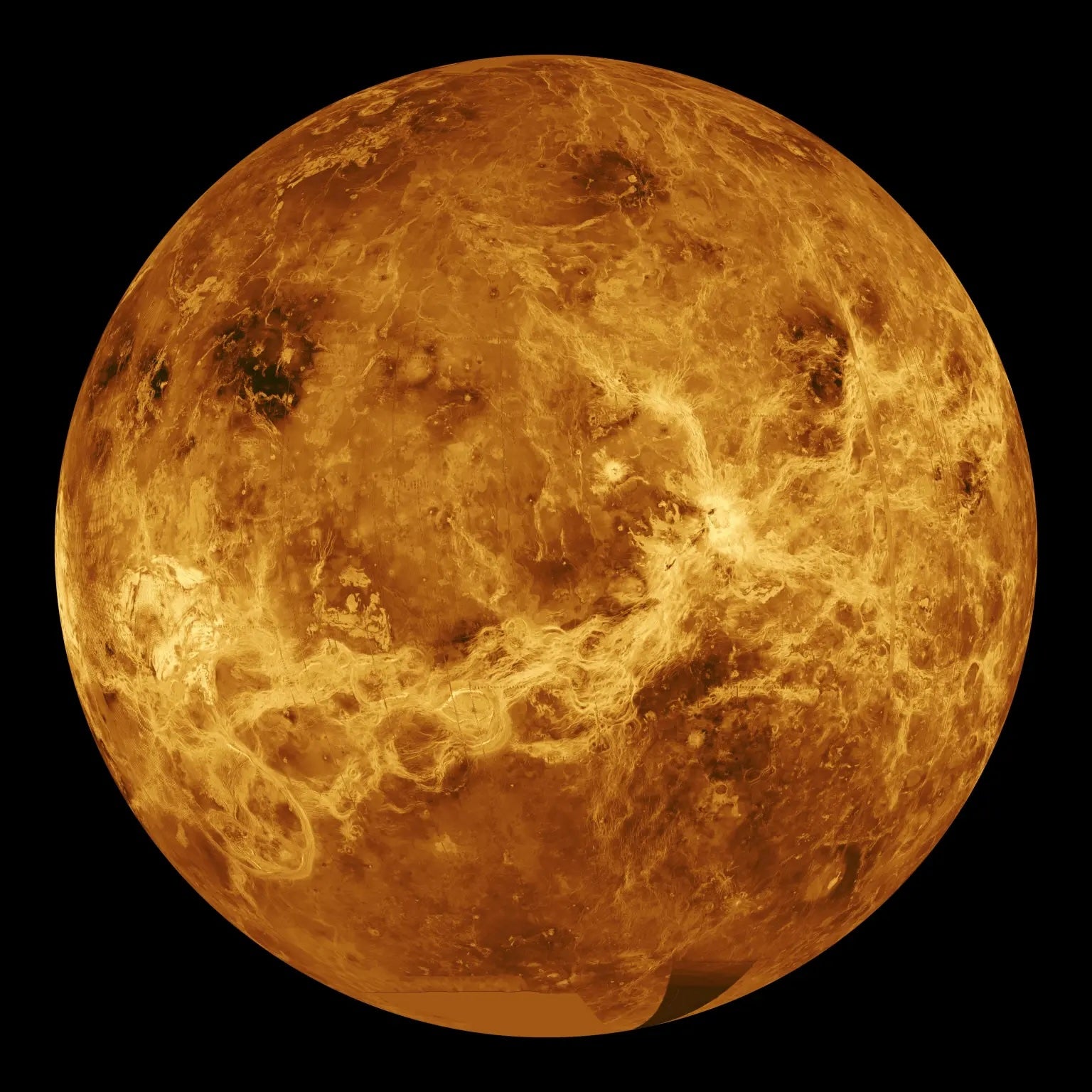
A University of California, Riverside investigation concludes that Venus most likely consumed a moon of its own. Astrophysicist Stephen Kane created computer models that evaluated two long‑standing ideas , a violent collision or the absence of a moon‑forming event , and found that neither matches the observations. “My study shows Venus did not require a catastrophe to arrive at what we can see today,” Kane explained. The planet’s own gravity combined with its slow 243‑day rotation would have drawn a moon inward until it merged with Venus, the opposite of Earth’s moon, which drifts away by roughly four centimeters per year as Earth spins once every 24 hours. The findings were published in The Astrophysical Journal.
The result provides a physics‑based answer to a persistent question about why Earth’s twin lacks a rocky satellite, using data and models that tie directly to observed planetary dynamics.
Source: Venus ate its moon (news.ucr.edu).
Written by the HappyGood desk from the primary source linked above and checked against it. Every story links its source. Corrections: [email protected].
More from the archive
- Assam teenager wins gold at National Karate Championship days after floods September 19, 2026
- EverDye develops pigments that could cut fabric dyeing energy tenfold September 19, 2026
- Teeth from Thomas the T. rex reveal a human-like body temperature September 19, 2026
- Jim Al-Khalili to take on time in the 2026 Christmas Lectures September 19, 2026
- Kenyan mango grower turns to integrated pest management after moth infestation September 18, 2026