
Mining waste plumes could expose mid-ocean species to toxic copper levels
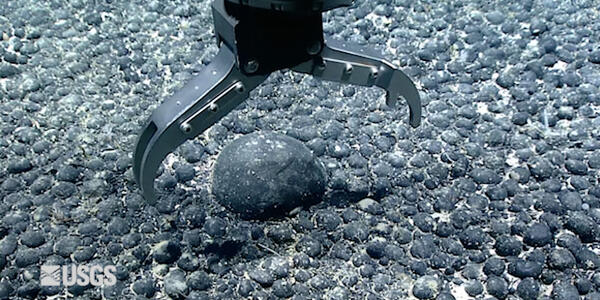
Scientists at the U.S. Geological Survey simulated waste discharge from proposed deep-sea mining operations in the Clarion-Clipperton Zone, a nodule-rich stretch of the eastern Pacific. The incubation experiments tracked how heavy metals behave when mining waste enters oxygen-deficient water between 200 and 1,000 metres below the surface. Copper concentrations rose to levels that could harm mesopelagic communities at those depths. The nodules themselves hold cobalt, nickel, copper and rare earth elements that mining companies want to extract. Researchers used trace-metal-clean sampling to detect minute changes in dissolved metals as the nodules broke down. The work provides one of the first geochemical assessments of open-ocean mining waste.
Demand for battery metals is expected to double by 2060, and mesopelagic species face chemical exposure if companies mine the seabed without controlling dissolved metal plumes.
Source: usgs.gov.
Written by the HappyGood desk from the primary source linked above and checked against it. Every story links its source. Corrections: [email protected].
More from the archive
- Mackenzie Macdonald, 16, heads to the Youth Olympics for Australia in taekwondo October 13, 2026
- Parksville festival volunteers help deliver record $89,270 donation October 12, 2026
- Police fetch antivenom as three Blue Mountains rescues unfold in a day October 12, 2026
- Guyra teen, 18, is youngest member of town Rotary Club October 12, 2026
- Julien Alfred donates 50 copies of book about her own story to Saint Lucian charity October 12, 2026