
Midwestern farmers dedicate field borders to flowering milkweed for monarch butterflies
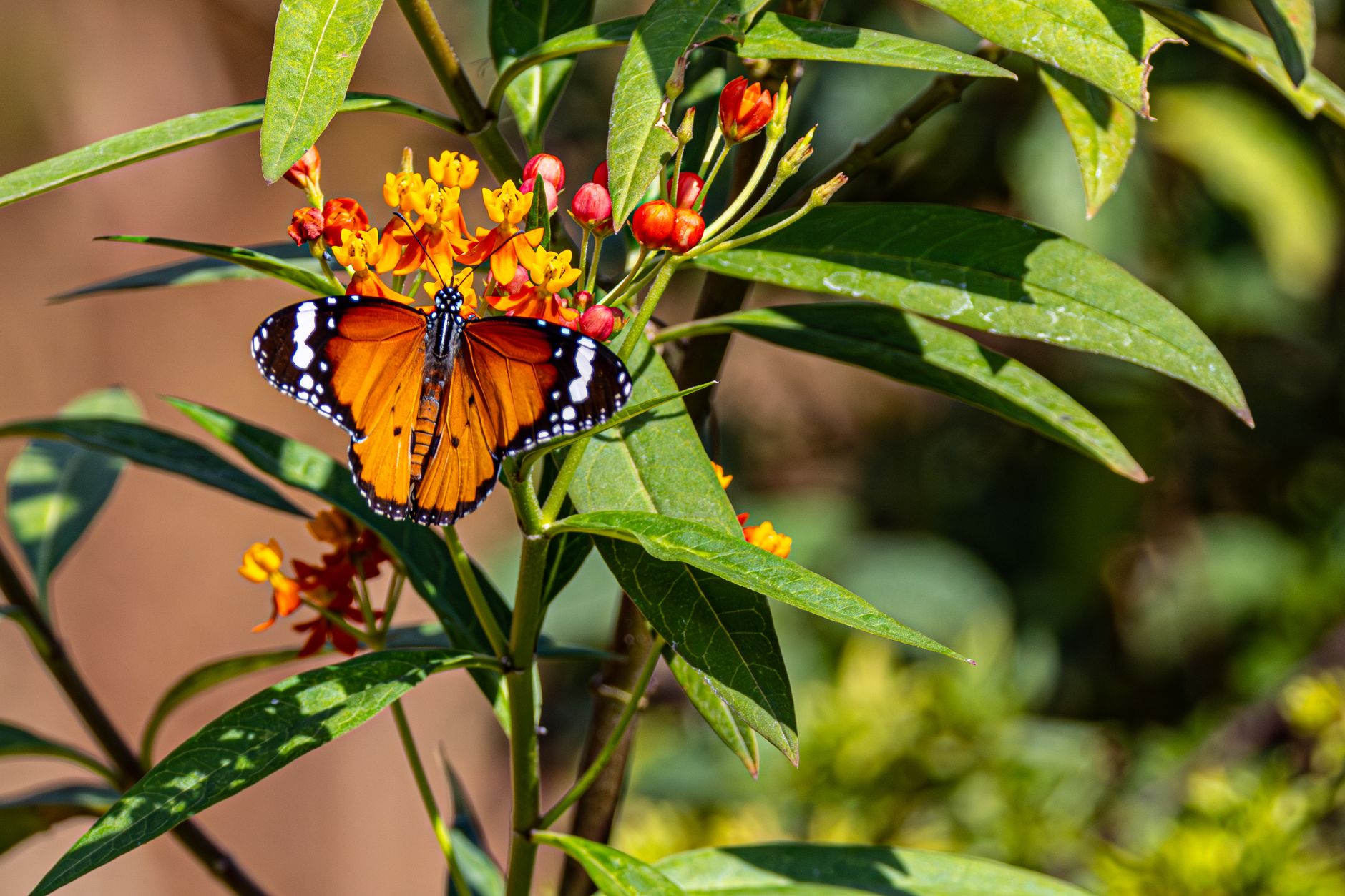
Across the rolling corn and soybean fields of the American Midwest, an agricultural movement is painting vibrant ribbons of purple coneflower, black-eyed Susan, and common milkweed across the landscape.
Led by the Iowa Monarch Conservation Consortium—a collaborative partnership uniting Iowa State University researchers, agricultural commodity groups, and state conservation agencies—the initiative addresses the steep multi-decade decline in eastern monarch butterfly (Danaus plexippus) populations. Because monarch caterpillars feed exclusively on native milkweed leaves, the widespread loss of prairie edges along agricultural landscapes created critical food shortages for migrating generations.
Rather than competing with productive agriculture, farmers integrate targeted 'prairie strips' along contour slopes, field borders, and riparian waterways that are less suitable for heavy machinery. These multi-species native wildflower plantings not only provide continuous nectar forage and milkweed breeding habitat for monarchs, but their deep, perennial root systems anchor fragile topsoil, reducing erosion by ninety percent and keeping fertilizer nitrates from reaching regional waterways.
Field biologists monitoring the strips reported a dramatic surge in monarch egg laying and caterpillar survival, alongside increases in native bumblebees and beneficial predatory insects that reduce crop pests naturally. The initiative demonstrates how practical, science-backed collaboration with farmers can turn agricultural heartlands into flourishing conservation corridors.
Source: Iowa Monarch Conservation Consortium and Prairie Habitat Strips (Iowa State University Extension).
Written by the HappyGood desk from the primary source linked above and checked against it. Every story links its source. Corrections: [email protected].
- City transit shelters sprout living sedum roofs to feed foraging urban bumblebees October 8, 2026
- Coastal volunteers hand-plant million seagrass seeds to restore underwater carbon sinks October 8, 2026
- Recycled restaurant oyster shells build thriving natural water filtration reefs October 8, 2026
- Volunteers cultivate dense Miyawaki mini-forests to cool urban primary schoolyards October 7, 2026
- Blight-resistant American chestnut trees sprout across Appalachian experimental forests October 7, 2026