
Recycled restaurant oyster shells build thriving natural water filtration reefs
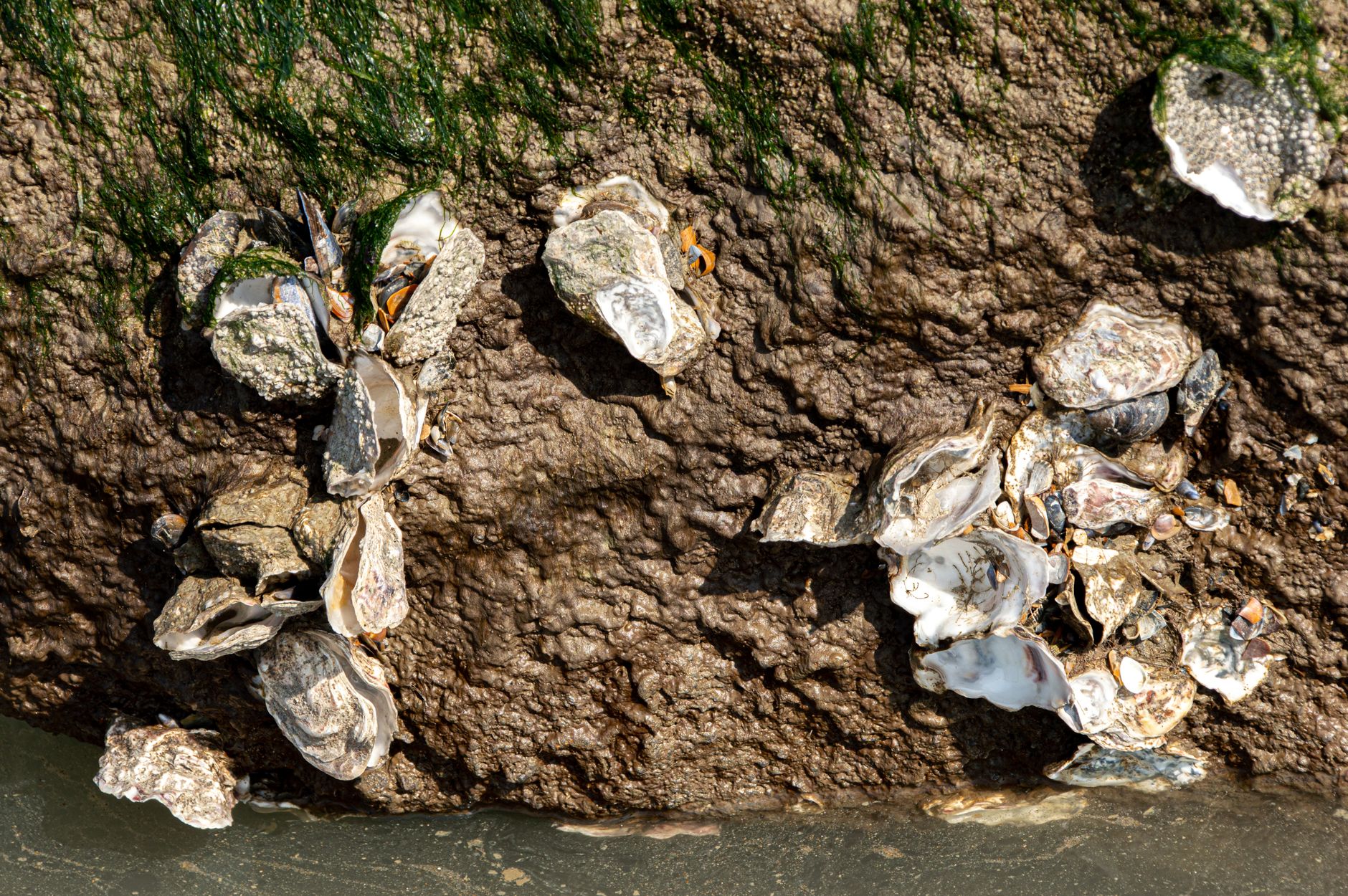
Behind hundreds of seafood restaurants and oyster bars along the mid-Atlantic coast, bins of discarded bivalve shells are being collected and saved for an essential ecological mission: reviving the natural filtration engine of the Chesapeake Bay.
Organized by the Chesapeake Bay Foundation's Oyster Shell Recycling Alliance, the program rescues shells that would otherwise end up in municipal trash dumps. Collected shells are transported to dedicated aging facilities, where they cure in the sun for a full year to naturally sanitize before being transferred to marine hatchery tanks filled with free-swimming oyster larvae, known as spat. The microscopic larvae naturally seek out calcium-rich oyster shell surfaces, cementing themselves to form clusters called 'spat on shell.'
Once attached, specialized planting vessels spray millions of seeded shells over pre-mapped underwater sanctuary reefs in bay tributaries where harvest dredging is strictly banned. As the young oysters grow, they interlock to form three-dimensional, living reef structures that rise several feet from the muddy riverbed.
The ecological impact of reef restoration is profound. An adult oyster can filter up to fifty gallons of estuary water every day, consuming algae and settling suspended silt to dramatically increase water clarity and allow submerged aquatic grasses to flourish. Today, these thriving sanctuary reefs provide critical nursery habitat for blue crabs, striped bass, and coastal sea life, proving that circular resource recycling can heal immense water bodies.
Source: Oyster Restoration and Shell Recycling in the Chesapeake Bay (Chesapeake Bay Foundation).
Written by the HappyGood desk from the primary source linked above and checked against it. Every story links its source. Corrections: [email protected].
- Coastal volunteers hand-plant million seagrass seeds to restore underwater carbon sinks October 8, 2026
- Volunteers cultivate dense Miyawaki mini-forests to cool urban primary schoolyards October 7, 2026
- Blight-resistant American chestnut trees sprout across Appalachian experimental forests October 7, 2026
- Community divers restore thirty miles of resilient coral reefs off Belize coast October 6, 2026
- Devon beaver families transform English waterways into drought-resilient wetlands October 6, 2026