
City transit shelters sprout living sedum roofs to feed foraging urban bumblebees
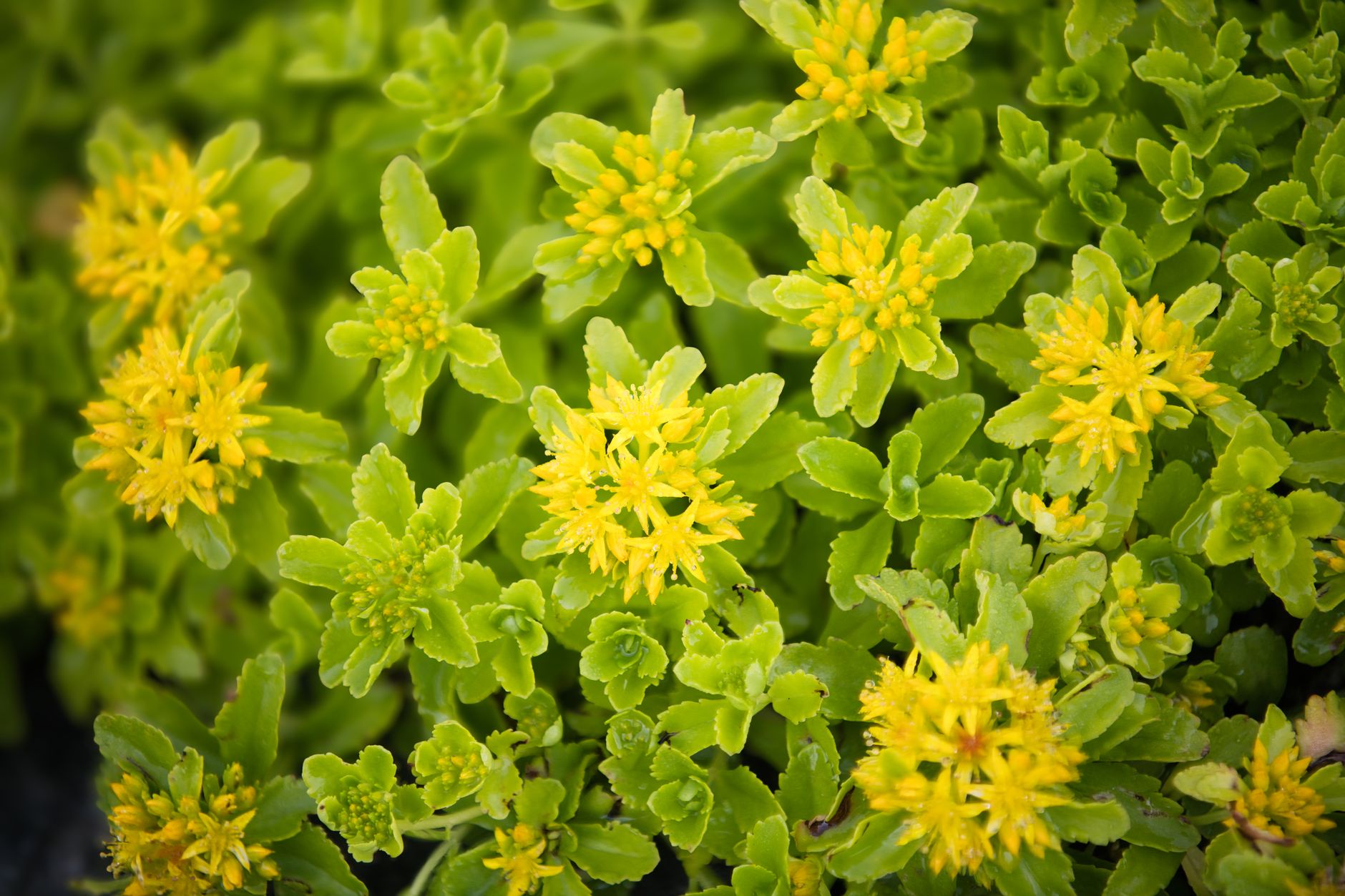
Commuters waiting for public transit in Utrecht, Netherlands, frequently look up to discover that the glass shelter protecting them from the rain doubles as a thriving, flowering ecosystem buzzing with bumblebees.
As part of an ambitious municipal program to enhance urban biodiversity and adapt to climate change, city planners retrofitted more than three hundred bus stops across Utrecht with living green roofs. Each shelter roof is layered with lightweight drainage material, moisture-retaining substrate, and a resilient blend of drought-hardy sedum succulents that produce waves of yellow, pink, and white blossoms from late spring through autumn.
The green roofs serve a dual civic and ecological function. During summer heatwaves, the living plants cool the surrounding air through natural evapotranspiration, mitigating the urban heat island effect for waiting passengers. During torrential rainstorms, the sedum carpet acts like a natural sponge, absorbing rainwater and dramatically reducing runoff loads on the city's drainage infrastructure.
Most importantly, the distributed green roofs act as elevated biological stepping stones, connecting parks, residential gardens, and canal banks into a cohesive urban flyway for native bumblebees, honeybees, and butterflies. The success of the project has turned Utrecht into a global pioneer of biodiverse infrastructure, inspiring similar living-roof transit initiatives in cities from London and Leipzig to Stockholm and Melbourne.
Source: Green Roof Bus Stops and Urban Pollinator Stepping Stones (City of Utrecht / Living Roofs).
Written by the HappyGood desk from the primary source linked above and checked against it. Every story links its source. Corrections: [email protected].
- Midwestern farmers dedicate field borders to flowering milkweed for monarch butterflies October 8, 2026
- Coastal volunteers hand-plant million seagrass seeds to restore underwater carbon sinks October 8, 2026
- Recycled restaurant oyster shells build thriving natural water filtration reefs October 8, 2026
- Volunteers cultivate dense Miyawaki mini-forests to cool urban primary schoolyards October 7, 2026
- Blight-resistant American chestnut trees sprout across Appalachian experimental forests October 7, 2026