
Blight-resistant American chestnut trees sprout across Appalachian experimental forests
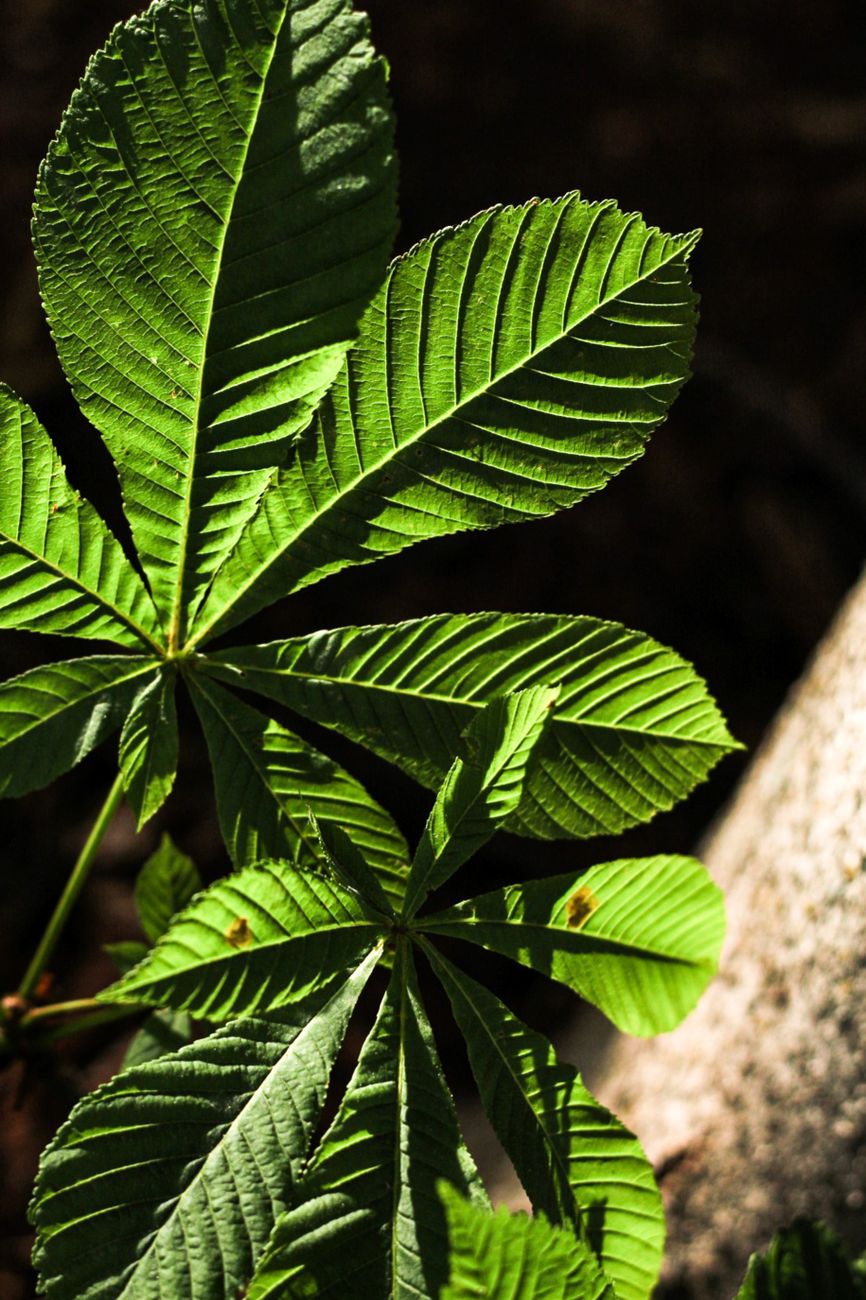
High along the ridge lines of the Appalachian Mountains, dense clusters of young, vigorous American chestnut trees are reaching toward the canopy, marking a historic turning point in forest conservation.
At the start of the twentieth century, Castanea dentata was celebrated as the 'redwood of the East,' growing up to one hundred feet tall and ten feet in diameter. Accounting for one out of every four hardwood trees in the eastern United States, chestnuts provided abundant autumn nut harvests that sustained black bears, turkeys, and rural Appalachian communities, while yielding rot-resistant lumber prized for building cabins and fences. The accidental introduction of an Asian bark fungus in 1904 wiped out an estimated four billion trees within fifty years.
Rather than accept the loss as permanent, scientists and passionate citizen foresters formed The American Chestnut Foundation, embarking on a meticulous forty-year breeding program. By backcrossing native American chestnuts with blight-resistant Chinese chestnuts across multiple generations, geneticists successfully integrated fungal resistance while retaining ninety-four percent native American chestnut characteristics, from growth habit to leaf physiology.
Experimental restoration orchards established across state parks and reclaimed former mining sites have demonstrated that these hardy hybrids easily survive natural fungal exposure in the wild. Foresters recently documented trial trees producing bountiful burs filled with fertile chestnuts, confirming that the foundation species is well on its way to resuming its rightful place in American forests.
Source: Restoring the American Chestnut to Eastern Hardwood Ecosystems (The American Chestnut Foundation).
Written by the HappyGood desk from the primary source linked above and checked against it. Every story links its source. Corrections: [email protected].
- Volunteers cultivate dense Miyawaki mini-forests to cool urban primary schoolyards October 7, 2026
- Community divers restore thirty miles of resilient coral reefs off Belize coast October 6, 2026
- Devon beaver families transform English waterways into drought-resilient wetlands October 6, 2026
- Vermont students build passive solar greenhouse to grow winter vegetables October 4, 2026
- Wisconsin dairy farmers restore twenty miles of coldwater native trout streams October 4, 2026