
Lab-grown human brain tissue thrives inside mice, Stanford study finds
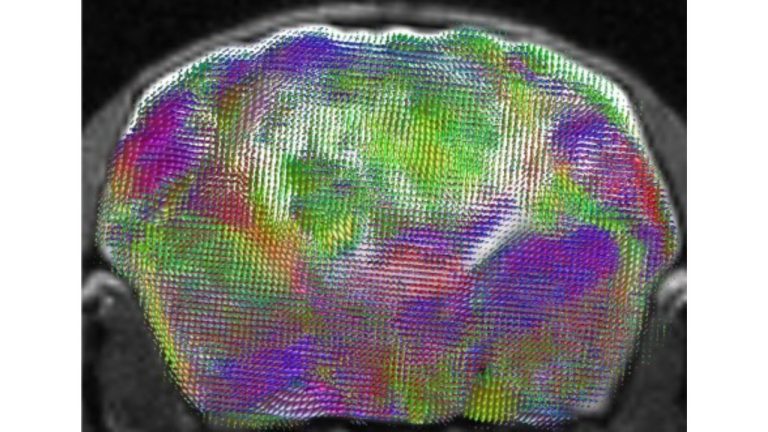
Stanford Medicine scientists transplanted lab-grown clusters of human brain tissue into mice bred to lack most of their cerebral cortex. The tissue thrived. Published online Sept. 16 in Nature, the study found it grew and wired itself into the mice's brains and spinal cords, and revealed a nerve-cell type never before seen in lab culture, known previously only from autopsied human brains. "These animal models offer a unique opportunity to study how disease-associated alterations in human brain circuitry manifest in an intact nervous system," said Sergiu Pasca, a Stanford professor of psychiatry and behavioral sciences.
Children born with prenatal brain disorders could benefit if scientists use this living model to understand and someday treat conditions that begin before birth.
Source: Stanford Medicine team creates advanced model for studying brain development, disorders (med.stanford.edu).
Written by the HappyGood desk from the primary source linked above and checked against it. Every story links its source. Corrections: [email protected].
More from the archive
- Assam teenager wins gold at National Karate Championship days after floods September 19, 2026
- EverDye develops pigments that could cut fabric dyeing energy tenfold September 19, 2026
- Teeth from Thomas the T. rex reveal a human-like body temperature September 19, 2026
- Jim Al-Khalili to take on time in the 2026 Christmas Lectures September 19, 2026
- Kenyan mango grower turns to integrated pest management after moth infestation September 18, 2026