
Rochester laser panels turn ocean water into fresh water with no brine waste
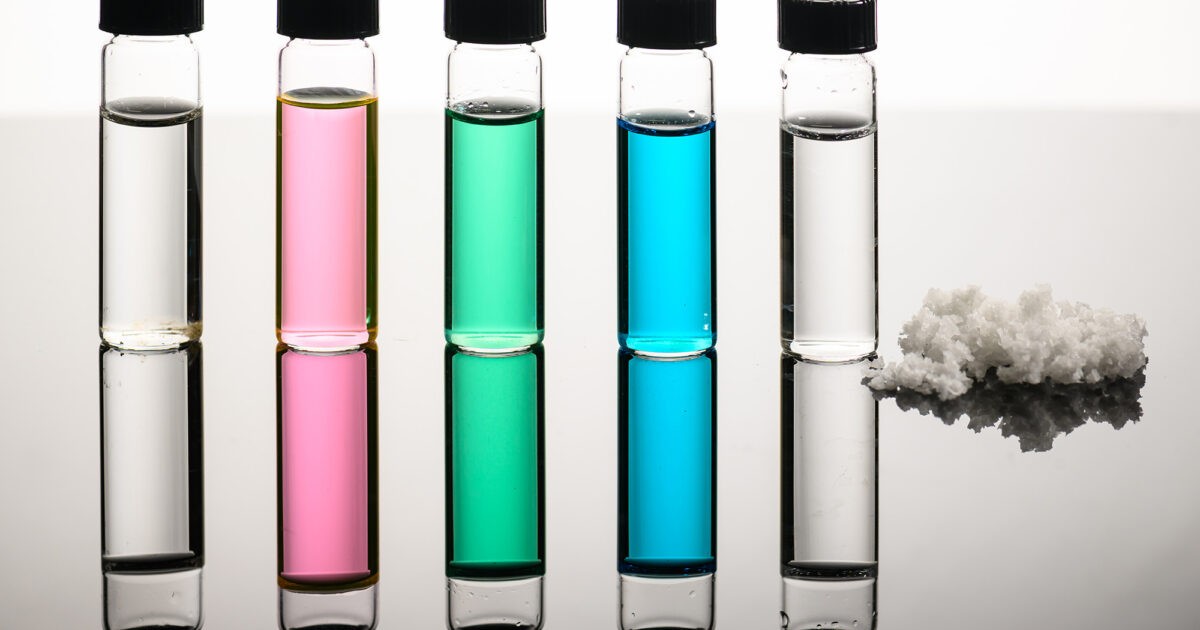
A solar-thermal desalination system built at the University of Rochester produces fresh water without chemical additives and without leaving behind brine, the concentrated saltwater byproduct that harms marine life when returned to the sea. The panels are made of black metal etched by femtosecond lasers, making their surface super light-absorbing and superwicking. A thin film of water is drawn across the active region, nearly all solar radiation is absorbed, and leftover salts are channelled away to a passive zone so they never clog the system. "Other researchers have developed solar-thermal desalination techniques," said Chunlei Guo, professor of optics and physics at URochester, implying existing approaches still leave problems his team's method avoids. The findings were published in Light: Science & Applications.
Communities in water-scarce regions could gain a clean, waste-free source of drinking water without harming nearby ocean ecosystems.
Source: New method turns ocean water into drinking water, without waste (rochester.edu).
Written by the HappyGood desk from the primary source linked above and checked against it. Every story links its source. Corrections: [email protected].
More from the archive
- Assam teenager wins gold at National Karate Championship days after floods September 19, 2026
- EverDye develops pigments that could cut fabric dyeing energy tenfold September 19, 2026
- Teeth from Thomas the T. rex reveal a human-like body temperature September 19, 2026
- Jim Al-Khalili to take on time in the 2026 Christmas Lectures September 19, 2026
- Kenyan mango grower turns to integrated pest management after moth infestation September 18, 2026