
New Zealand native wood pigeon rebounds following nationwide predator-free initiative
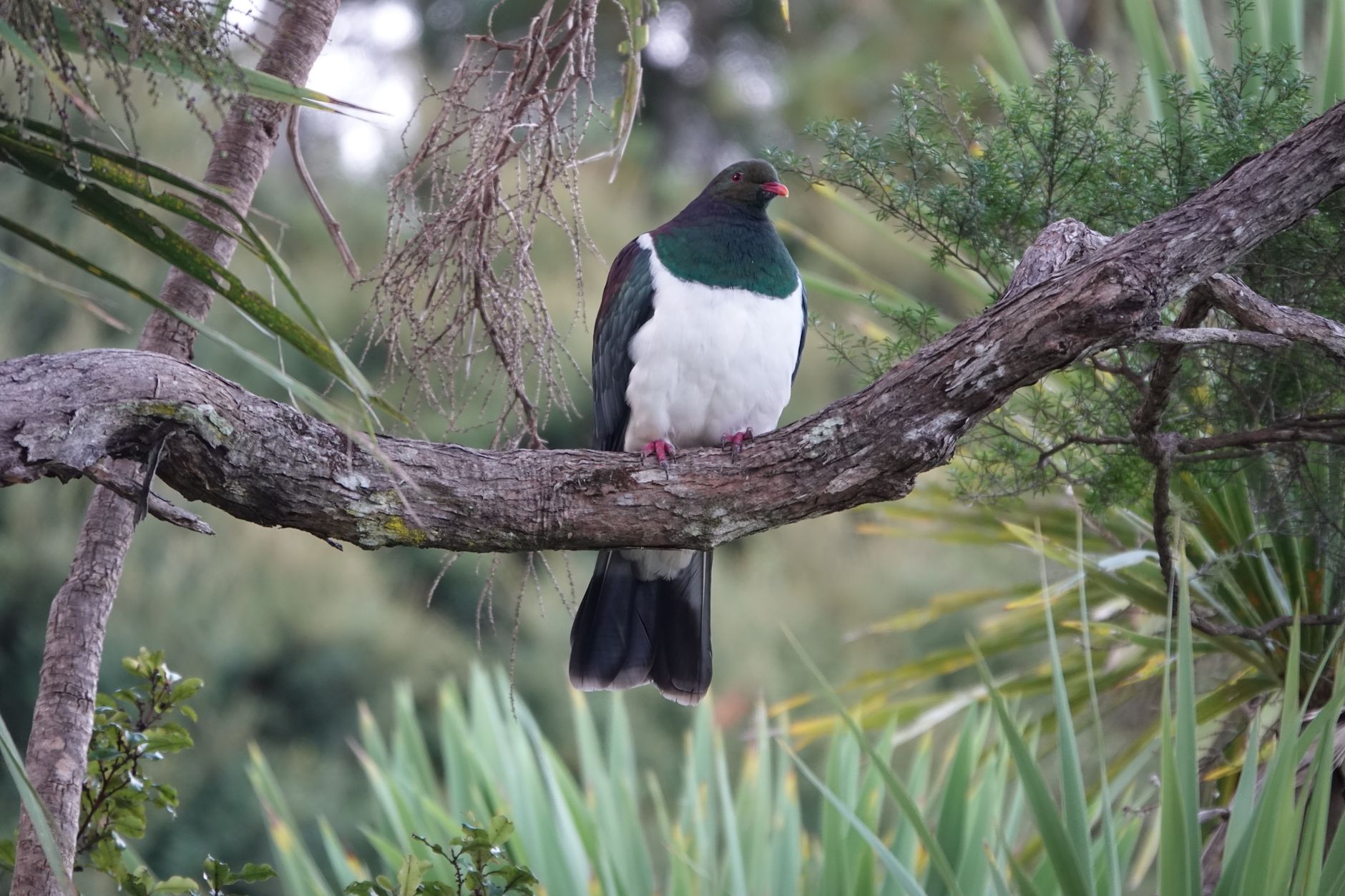
New Zealand conservation rangers and community bush regeneration groups reported a significant resurgence in kererū, the country's iconic native wood pigeon, across both public reserves and urban green spaces.
Known for its iridescent green and purple plumage, snowy white chest, and robust size, the kererū (*Hemiphaga novaeseelandiae*) plays an indispensable ecological role in Aotearoa's native bush. It is the only surviving bird with a bill wide enough to swallow and disperse the large fleshy fruits of native canopy giants such as miro, tawa, taraire, and karaka. Without the kererū moving seeds across valleys, these ancient indigenous forest species cannot naturally regenerate.
For decades, introduced predators and habitat loss threatened kererū numbers, causing nesting rates to plunge. In response, regional councils, iwi trusts, and volunteer community networks established extensive predator-control lines and planted thousands of native berry-producing shrubs across suburban corridors. The nationwide citizen science Great Kererū Count confirmed that sightings have doubled in major metropolitan areas over recent years, with birds nesting safely in suburban backyards.
Department of Conservation biologists praised the community efforts, noting that the return of healthy kererū flocks is already accelerating the natural recovery of native seedbeds across regenerating forests. The success highlights how targeted local pest management can restore the keystones of an entire island ecosystem.
Native bird recovery regenerates old-growth indigenous rainforests by preserving the primary natural seed disperser for heavy native tree fruit.
Source: Kererū Population Status and Native Forest Seed Dispersal (Department of Conservation New Zealand).
Written by the HappyGood desk from the primary source linked above and checked against it. Every story links its source. Corrections: [email protected].
- Westman Islands youth rescue lost pufflings and return young birds safely to sea October 6, 2026
- Iberian lynx population surges past two thousand individuals in landmark conservation recovery October 4, 2026
- Cape Cod townspeople wade into freezing bay to rescue twenty-three stranded dolphins October 4, 2026
- Queensland town volunteers rescue and rehabilitate two hundred heat-stressed flying fox pups October 4, 2026
- Critically endangered kakapo parrot population reaches highest count in fifty years October 4, 2026