
Critically endangered kakapo parrot population reaches highest count in fifty years
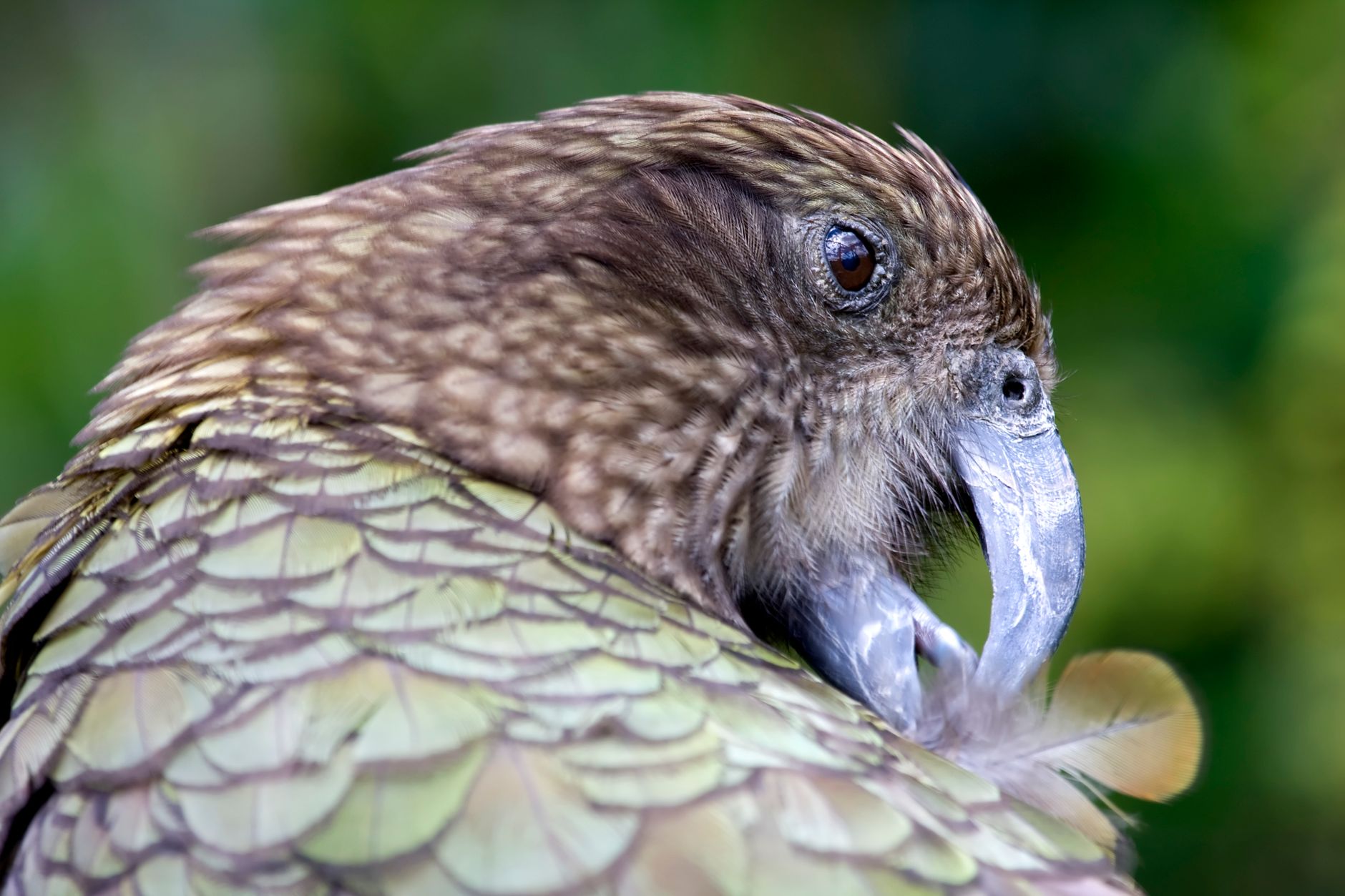
New Zealand conservation rangers on predator-free Anchor Island celebrated an extraordinary breeding season for the critically endangered kakapo, lifting the world population of the flightless nocturnal parrot to 252 birds.
The kakapo is the world's heaviest and rarest parrot species, having been reduced to just fifty surviving birds in the 1990s due to predation by invasive stoats and rats. The Kakapo Recovery Programme operates intensive genetic management, 24-hour nest monitoring, and veterinary care across predator-free offshore islands, using custom smart-nest boxes to protect chicks from adverse weather.
In late September 2026, conservation rangers announced that forty-two healthy kakapo chicks successfully fledged and began foraging for native rimu berries independently. "Fifty years ago the kakapo was practically a ghost, and today these magnificent birds are singing in the forest again," the lead island ranger stated. Genetic analysis confirmed that the new generation exhibits high genetic diversity.
Wildlife authorities are evaluating two additional offshore sanctuary islands to expand habitat as the booming kakapo population approaches the carrying capacity of its existing island homes.
The world's rarest parrot species reaches its highest population in fifty years through dedicated volunteer island stewardship.
Source: Kakapo Parrot Population Hits 50-Year High on Sanctuary Islands (New Zealand Department of Conservation / Scoop Science).
Written by the HappyGood desk from the primary source linked above and checked against it. Every story links its source. Corrections: [email protected].
- Greater bilbies successfully reproduce across Australian red-desert sanctuaries after century absence October 4, 2026
- Iberian lynx population surges past two thousand individuals in landmark conservation recovery October 4, 2026
- Cape Cod townspeople wade into freezing bay to rescue twenty-three stranded dolphins October 4, 2026
- Queensland town volunteers rescue and rehabilitate two hundred heat-stressed flying fox pups October 4, 2026
- Chicago public school students establish fifty monarch butterfly waystations across south side October 4, 2026