
Queensland town volunteers rescue and rehabilitate two hundred heat-stressed flying fox pups
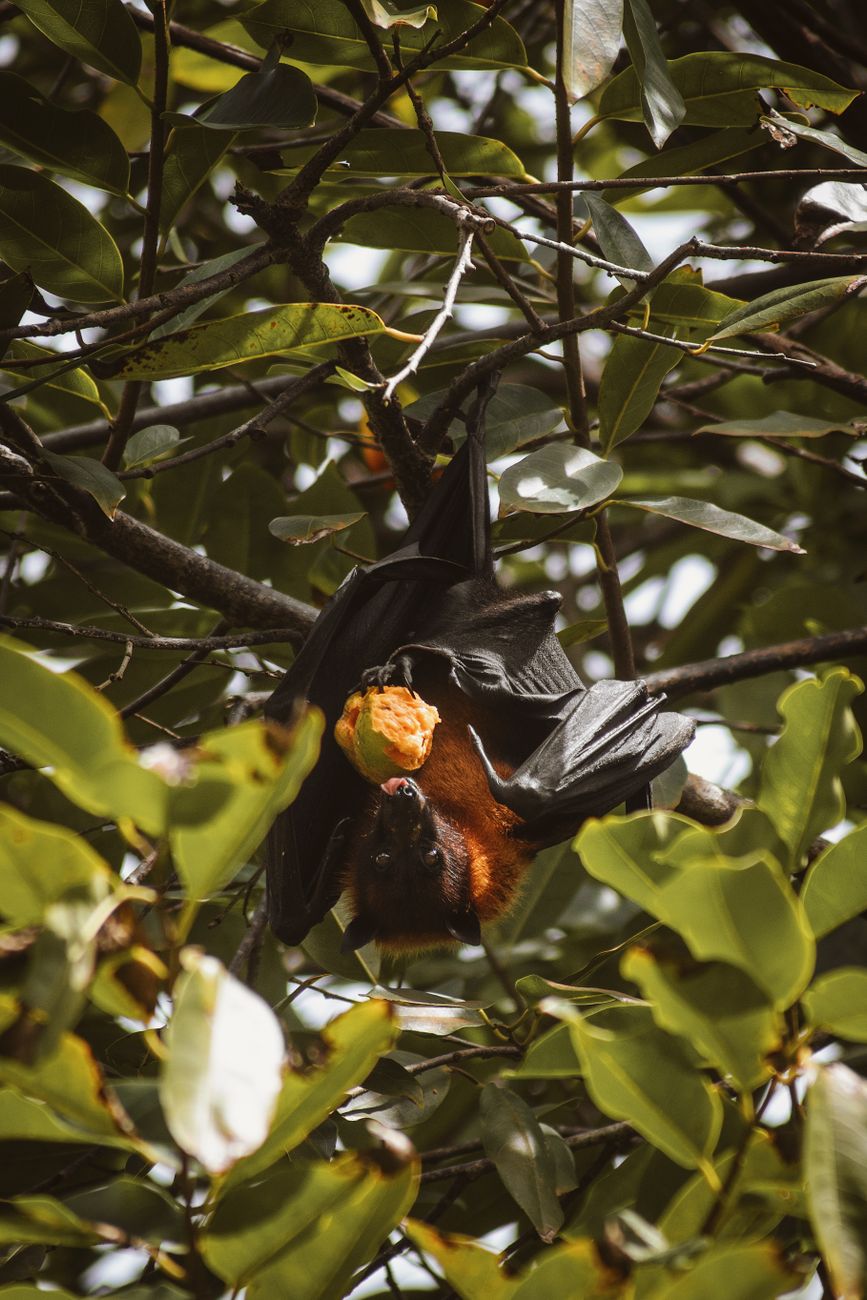
Volunteer wildlife carers and local residents in northern Queensland rescued and rehabilitated more than two hundred spectacled flying fox pups following severe spring heat waves in their tropical rainforest roosts.
Spectacled flying foxes are crucial keystone pollinators for wet tropical rainforests, but vulnerable infant bats are prone to rapid dehydration and falling from tree canopies when temperatures exceed forty degrees Celsius. Community volunteers patrolled roost trees daily, rescuing fallen orphans and nursing them around the clock in home nurseries using soft flannel wraps and pediatric electrolyte fluids.
On October 1, 2026, wildlife veterinarians released the first cohort of one hundred rehabilitated young bats back into their native rainforest camp after confirming healthy flight strength and body weight. "Flying foxes are the keystone pollinators of our tropical rainforest, and saving these babies ensures our ancient trees can seed and grow," the lead wildlife rescuer said. The young bats immediately rejoined wild feeding flocks.
Wildlife rescue networks are installing automated micro-misting canopy sprayers in three major roost reserves to cool flying fox colonies during future extreme temperature events.
Crucial tropical rainforest pollinators survive extreme temperature spikes through dedicated emergency rescue and rehabilitation by community volunteers.
Source: Volunteers Rescue and Release 200 Heat-Stressed Flying Fox Pups (Australian Geographic / Bat Conservation Rescue).
Written by the HappyGood desk from the primary source linked above and checked against it. Every story links its source. Corrections: [email protected].
- Greater bilbies successfully reproduce across Australian red-desert sanctuaries after century absence October 4, 2026
- Iberian lynx population surges past two thousand individuals in landmark conservation recovery October 4, 2026
- Cape Cod townspeople wade into freezing bay to rescue twenty-three stranded dolphins October 4, 2026
- Critically endangered kakapo parrot population reaches highest count in fifty years October 4, 2026
- Chicago public school students establish fifty monarch butterfly waystations across south side October 4, 2026