
Iberian lynx population surges past two thousand individuals in landmark conservation recovery
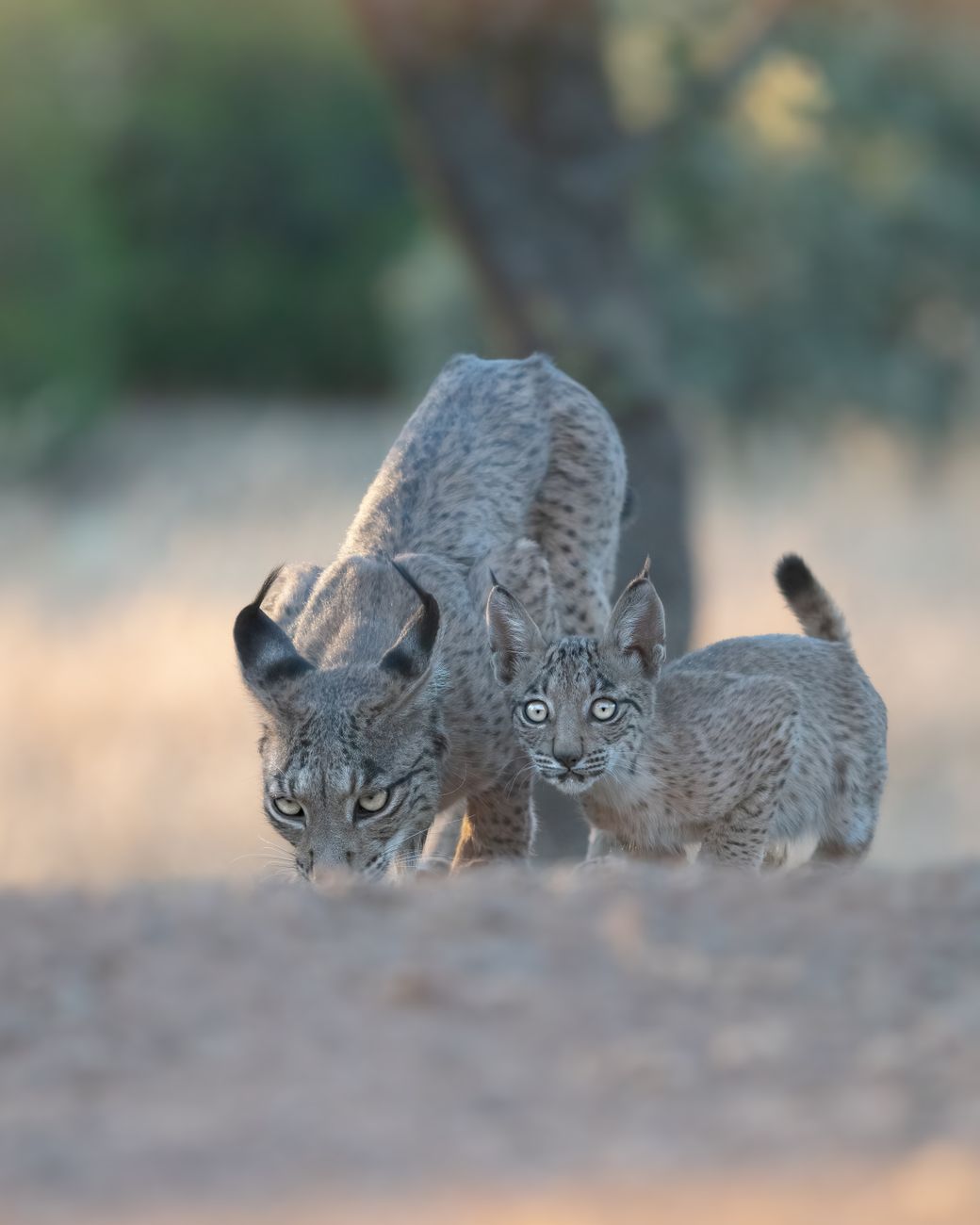
The Iberian lynx has recovered from near extinction to an estimated population of more than 2,000. In June 2024 the IUCN moved it from Endangered to Vulnerable on its Red List, calling it the greatest recovery of a cat species ever achieved through conservation.
In 2001 there were only 62 mature Iberian lynx left in the wild. By 2022 there were 648, and the total population, including young animals, is now estimated at more than 2,000. In June 2024 the International Union for Conservation of Nature (IUCN) moved the species from Endangered to Vulnerable on its Red List of Threatened Species.
The recovery took sustained work on several fronts. Conservationists increased the numbers of the lynx's main prey, the European rabbit, protected and restored Mediterranean scrub and forest, and reduced deaths caused by people. Translocations and a captive breeding programme widened the species' genetic diversity. Since 2010 more than 400 lynx have been reintroduced to parts of Portugal and Spain, and the animals now occupy at least 3,320 square kilometres, up from 449 in 2005.
"The greatest recovery of a cat species ever achieved through conservation, this success is the result of committed collaboration between public bodies, scientific institutions, NGOs, private companies, and community members including local landowners, farmers, gamekeepers and hunters," said Francisco Javier Salcedo Ortiz, coordinator of the EU-funded LIFE Lynx-Connect project, which led the conservation work.
The lynx is not safe yet. It still faces disease outbreaks in rabbits, illnesses from domestic cats, poaching, road deaths and climate change. But the IUCN says enough suitable habitat remains for the species to recover fully within 100 years if conservation continues, and there are plans to reintroduce lynx to new sites in central and northern Spain.
A wild cat brought to the edge of extinction is coming back, showing that sustained conservation work pays off.
Source: Iberian lynx rebounding thanks to conservation action - IUCN Red List (IUCN).
Written by the HappyGood desk from the primary source linked above and checked against it. Every story links its source. Corrections: [email protected].
- Restored prairie river corridors welcome back thriving native North American river otters October 9, 2026
- Rescued sea otter pups surrogate-reared by wild mothers help revive coastal kelp forests October 9, 2026
- Mule deer and moose cross Utah's narrow Parleys Canyon wildlife overpass October 9, 2026
- Thousands of handcrafted nest boxes spark endangered Gouldian finch population surge October 7, 2026
- Mainland Australian sanctuary welcomes healthy Tasmanian devil joey generation October 7, 2026