
Indigenous seed alliance returns two hundred ancestral corn varieties to tribes
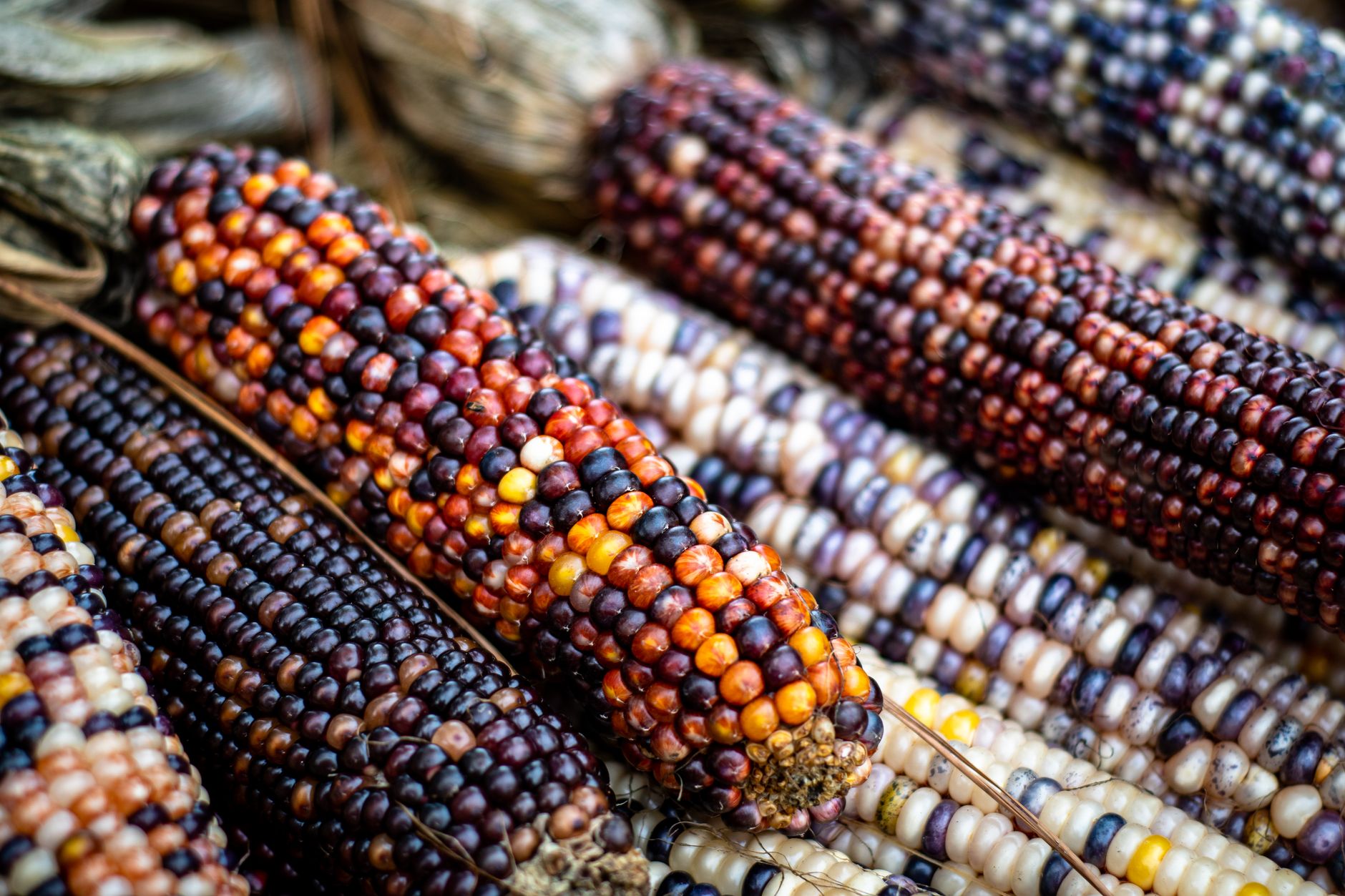
An alliance of Native American farmers and heritage seed vaults completed the rematriation of two hundred ancestral drought-resistant corn varieties to tribal growers across the American Southwest.
Many of these sacred heirloom crops had been absent from tribal farmlands for over a century, preserved only in museum collections, university archives, and federal seed banks. The rematriation initiative worked for five years to identify original tribal origins, verify genetic purity, and return viable seeds to indigenous agricultural communities for ceremonial and food production.
Harvest ceremonies held in October 2026 confirmed that the heirloom corn varieties produced bountiful yields using seventy percent less irrigation water than modern hybrid commercial corn. "Holding these seeds again is like welcoming our ancestors home to feed our grandchildren," a tribal elder said during the harvest feast. The drought-hardy plants thrived despite intense summer heat waves.
Participating tribes are establishing community seed banks on sovereign lands to ensure that ancestral crop varieties remain permanently protected and accessible to future generations of indigenous growers.
Tribal agricultural communities regain climate-hardy ancestral seeds that thrive in drought and preserve indigenous cultural sovereignty.
Source: Indigenous Seed Alliance Rematriates 200 Ancestral Corn Varieties (Civil Eats / Native American Agricultural Fund).
Written by the HappyGood desk from the primary source linked above and checked against it. Every story links its source. Corrections: [email protected].
- Atlanta urban farm network produces fifty tons of fresh organic vegetables October 4, 2026
- Spokane volunteer fire brigade saves hundred-year-old heritage apple orchard from brush fire October 4, 2026
- Kansas prairie town volunteers restore beloved 1920s cinema with donated elbow grease October 4, 2026
- Pennsylvania town revives annual downhill soapbox derby with student-built wooden racers October 4, 2026
- Ohio teen donates fair livestock auction proceeds to rural children's clinic October 4, 2026