
California vineyards install five hundred barn owl nesting boxes to eliminate rodenticides
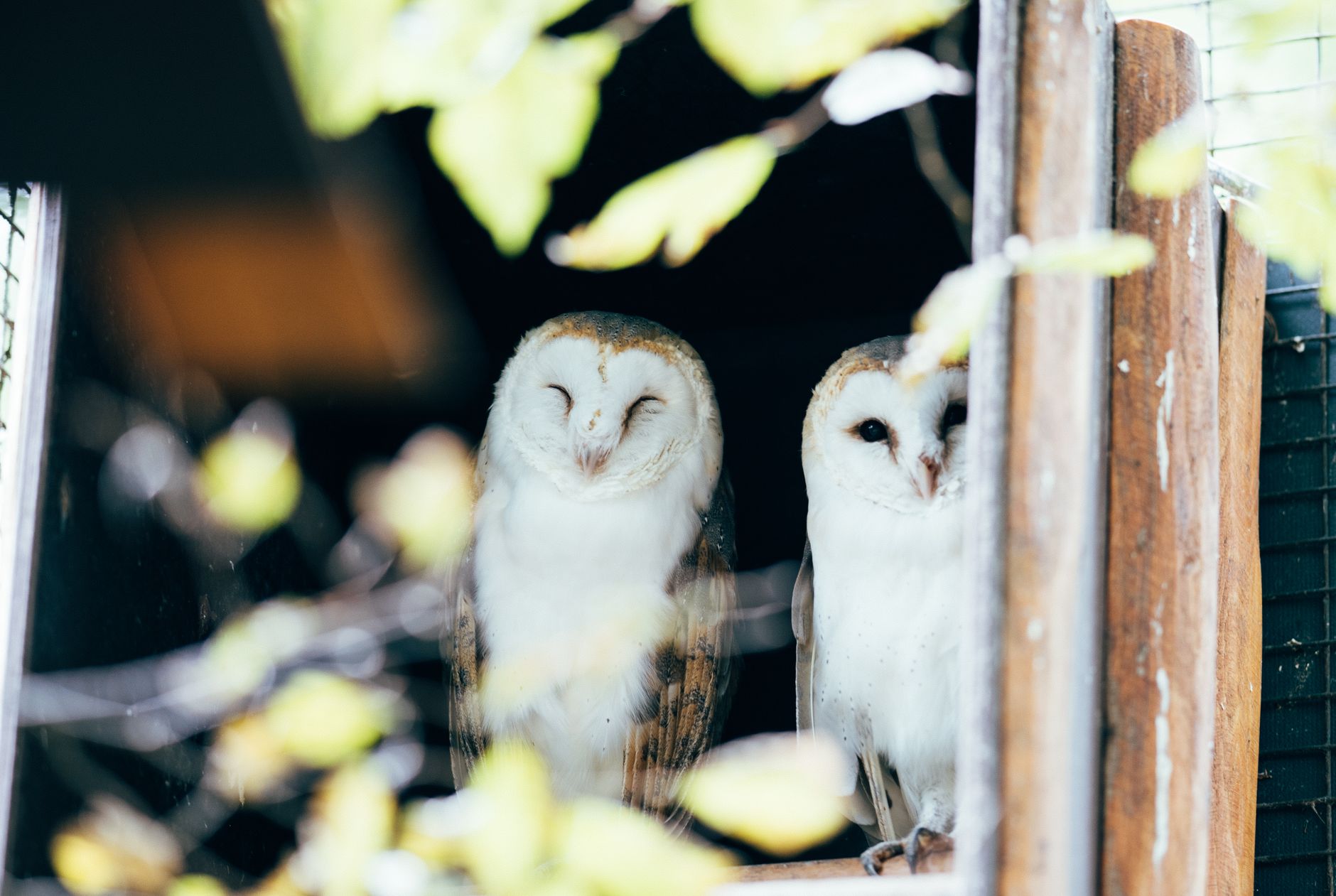
A cooperative of eighty wine grape growers in Sonoma County installed five hundred nesting boxes for native barn owls, completely eliminating chemical rodenticides across twenty thousand acres of vineyards.
Grape growers historically struggled with burrowing voles and pocket gophers that damage vine root systems, often resorting to synthetic rodenticides that secondary poison hawks, foxes, and household pets. Recognizing the voracious appetite of native raptors, growers erected tall wooden nesting poles along vineyard perimeters to invite wild barn owl pairs to nest.
In October 2026, wildlife biologists monitoring the project reported that owl populations reached record densities, with each family consuming over three thousand rodents during the nesting cycle. "Partnering with nature gives us healthy owls flying over our vines and completely chemical-free grapes," a participating vineyard manager said. Grapevine root damage decreased by ninety percent across all monitored plots.
The sustainable raptor partnership has gained certification from environmental agencies, encouraging fruit and nut orchardists across California to adopt owl nesting boxes in place of rodent poisons.
Farmland animals and local owl species are protected from chemical poisoning as native barn owls naturally control vineyard rodents.
Source: California Vineyards Swap Rodenticides for 500 Barn Owl Nesting Boxes (Modern Farmer / Napa Valley Register).
Written by the HappyGood desk from the primary source linked above and checked against it. Every story links its source. Corrections: [email protected].
- Rodale Institute confirms regenerative farming trials increased topsoil carbon by twenty percent October 4, 2026
- Probiotics protect ninety percent of Red Sea corals from heat bleaching October 4, 2026
- Ocean Cleanup extracts one million pounds of plastic from Pacific patch October 4, 2026
- Vermont students build passive solar greenhouse to grow winter vegetables October 4, 2026
- Wisconsin dairy farmers restore twenty miles of coldwater native trout streams October 4, 2026