
Rescued sea otter pups surrogate-reared by wild mothers help revive coastal kelp forests
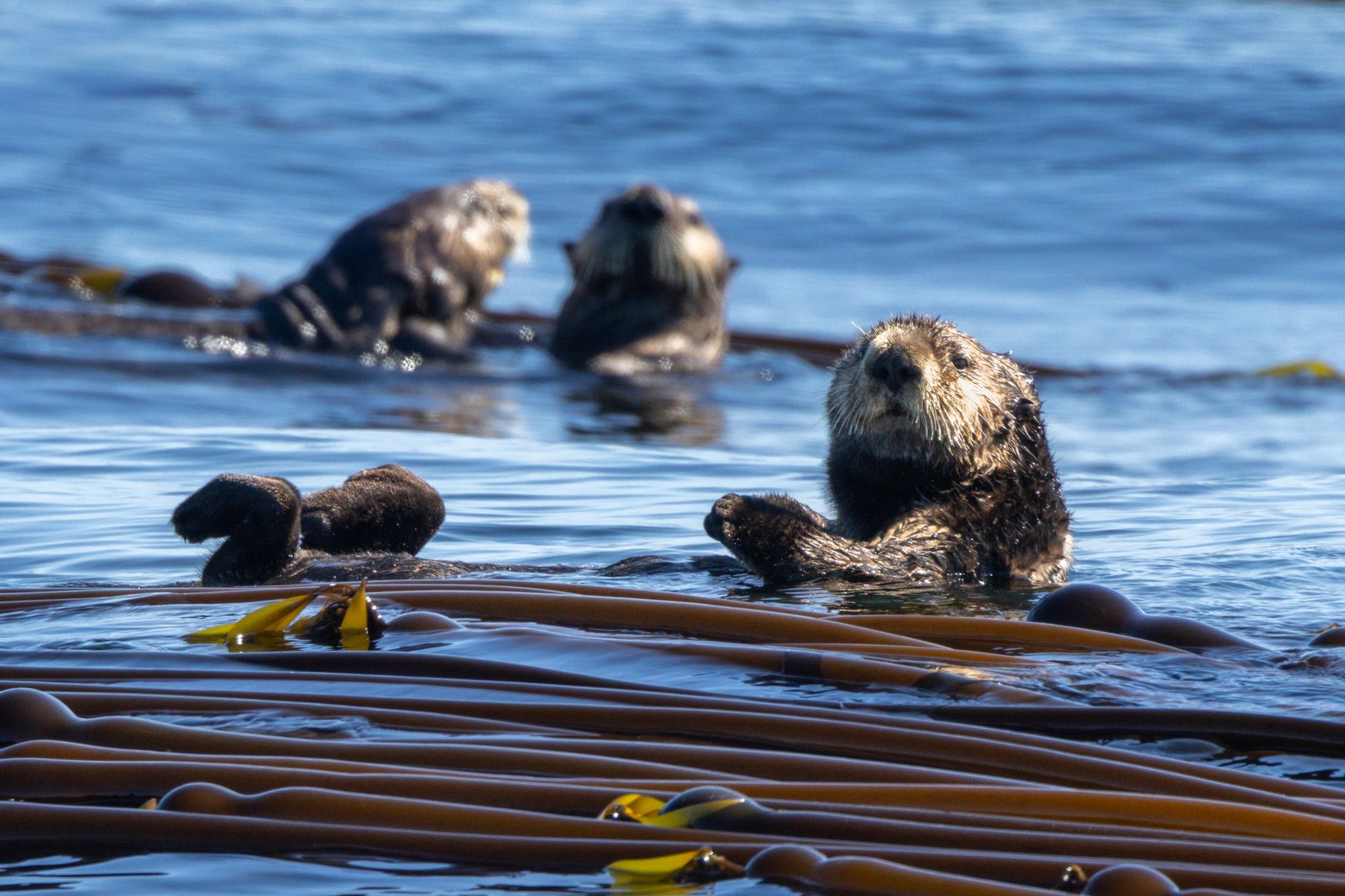
In the tidal salt marshes and kelp beds of Elkhorn Slough on California's central coast, a pioneering marine surrogacy program developed by the Monterey Bay Aquarium is restoring both an endangered species and an entire coastal ecosystem.
When newborn sea otter pups become separated from their mothers during winter storms, human hand-rearing often leads to habituation, making the young animals too comfortable around people to survive in the wild. To solve this dilemma, aquarium biologists revolutionized rehabilitation by pairing orphaned pups with non-releasable adult female otters living in specialized aquarium habitats. These surrogate mothers adopt the pups unconditionally, teaching them how to groom their dense water-resistant fur, dive for clams, and crack crab shells on rocks placed on their chests.
Once the young otters master essential wild survival behaviors, biologists release them with tracking tags into protected coastal estuaries. Longitudinal monitoring data shows that surrogate-reared otters survive, mate, and raise wild-born pups at rates identical to wild-born otters. In Elkhorn Slough, released otters and their descendants now account for more than half of the estuary's total population growth over the past two decades.
The return of the otters has triggered a profound trophic recovery throughout the estuary. By preying heavily on burrowing shore crabs that previously grazed on native eelgrass roots, the otters allowed underwater seagrass beds to expand by six hundred percent. These flourishing meadows now stabilize shorelines, filter agricultural runoff, and provide nursery grounds for commercial fish species, illustrating the immense power of keystone predators to heal degraded habitats.
Source: Southern Sea Otter Surrogacy Program and Coastal Kelp Recovery (Monterey Bay Aquarium).
Written by the HappyGood desk from the primary source linked above and checked against it. Every story links its source. Corrections: [email protected].
- Interstate wildlife overpasses reduce big game vehicle collisions by ninety percent October 9, 2026
- Native black-footed ferret kits thrive across protected Western prairie dog reserves October 8, 2026
- Thousands of handcrafted nest boxes spark endangered Gouldian finch population surge October 7, 2026
- Mainland Australian sanctuary welcomes healthy Tasmanian devil joey generation October 7, 2026
- New Zealand native wood pigeon rebounds following nationwide predator-free initiative October 6, 2026