
Recycled oyster shells become homes for baby oysters in the Chesapeake Bay
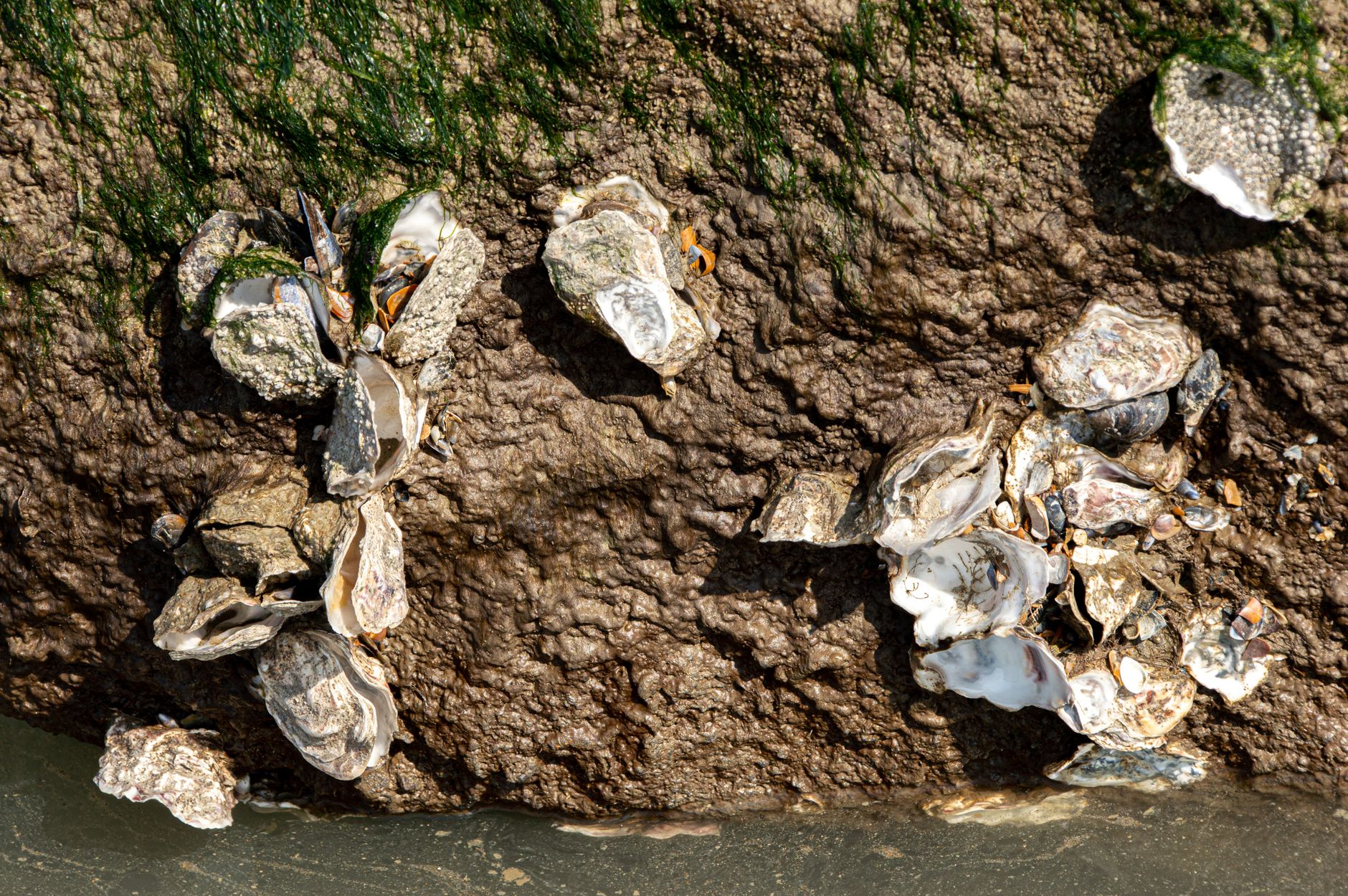
The Chesapeake Bay Foundation turns about 2,000 bushels of recycled oyster shells a year into habitat for millions of young oysters. Shells collected from restaurants, oyster roasts and public drop-off bins are seeded with oyster larvae and planted in the Bay and its rivers to grow oyster reefs.
After an oyster is eaten, its shell can start a new life. The Chesapeake Bay Foundation calls oyster shells "literally the foundation" of its reef restoration, and it is asking the public to save them.
Oyster shells are becoming scarce, so through its Save Oyster Shells programme the Foundation collects shells that would otherwise be thrown away. They come from restaurants, oyster roasts and seafood festivals, where the Foundation offers free pickup, bins and signs, and from public drop-off bins at marinas, libraries, shops and community sites across Maryland.
Each year the Foundation turns about 2,000 bushels of recycled shell into habitat for millions of oysters. Once the shells are cleaned and cured, they go into huge water tanks containing millions of microscopic oyster larvae, which attach themselves to the shells. On average, each recycled shell can become home to dozens of baby oysters, called spat. The Foundation then gives the spat-on-shell to its volunteer oyster gardeners and plants it in the Bay and its rivers, where the oysters grow and expand oyster reefs.
Every shell the Foundation recycles goes to restoration, so it does not sell shells or give them away for landscaping. "Each recycled shell in our restoration program is home to, on average, 10 new baby oysters," the Foundation says.
Anyone can help by dropping off shells, volunteering to collect them, hosting a recycling bin, or asking a local seafood restaurant to take part.
A shell that would have gone in the bin can help rebuild a reef for native oysters.
Source: Save Oyster Shells (Chesapeake Bay Foundation).
Written by the HappyGood desk from the primary source linked above and checked against it. Every story links its source. Corrections: [email protected].
- Far North Queensland rainforest berry yields a targeted cancer therapy for dogs October 10, 2026
- Surfrider chapters restore dunes and mangroves to protect the coast October 9, 2026
- City transit shelters sprout living sedum roofs to feed foraging urban bumblebees October 8, 2026
- Iowa farmers, towns and roadsides enlisted to plant habitat for monarch butterflies October 8, 2026
- More than a million seagrass seeds planted to grow a new meadow in a Welsh bay October 8, 2026