
Neutron scans find blood vessel network inside Scotty the T. rex's broken rib
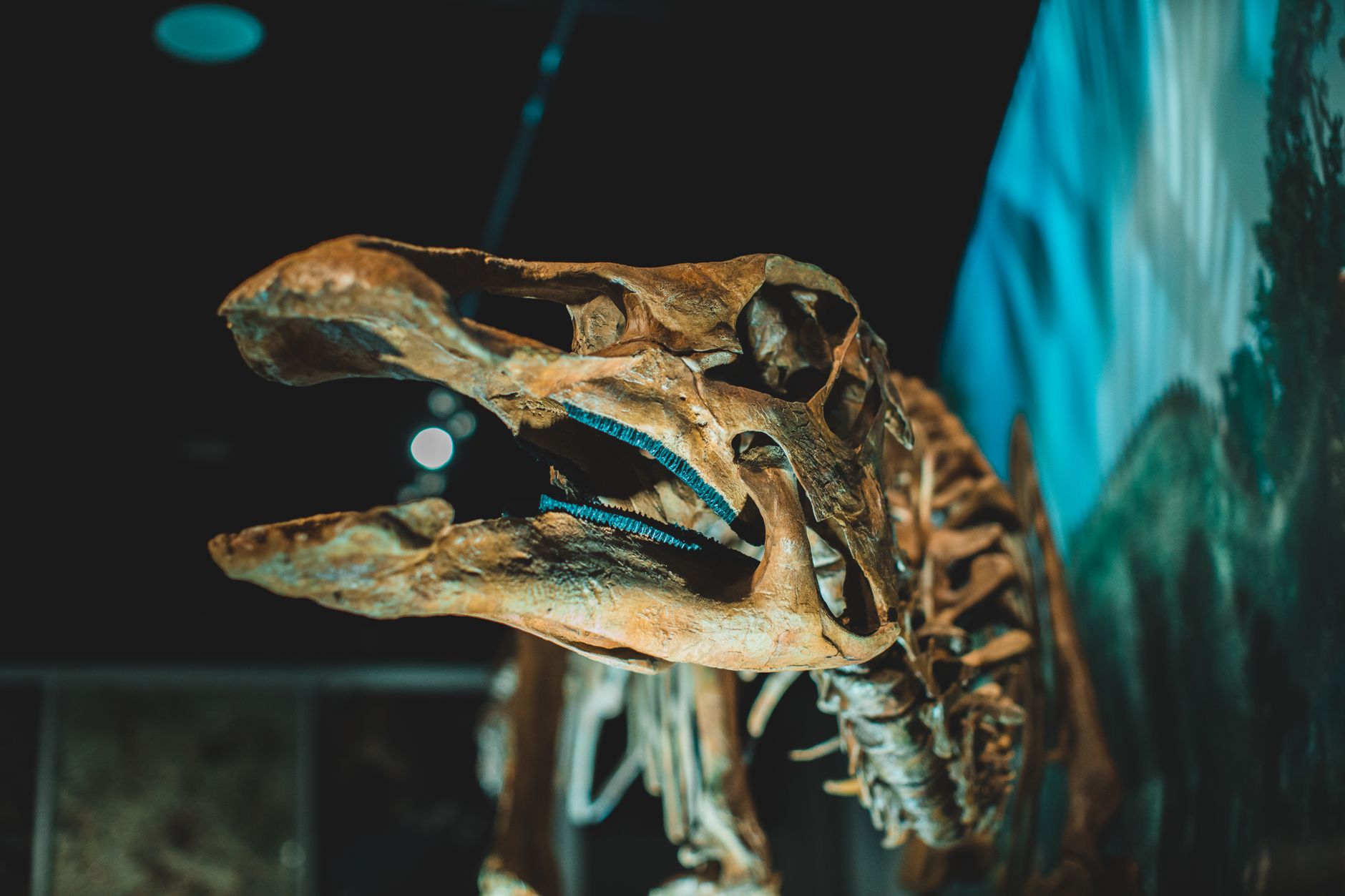
A broken rib from Scotty, the largest Tyrannosaurus rex skeleton discovered, has yielded something rarely seen in the fossil record: mineralized blood vessels frozen mid-heal. Scientists at the Department of Energy's Oak Ridge National Laboratory used neutron imaging to build 3D views of the fossilized bone without altering the preserved soft tissue inside. Scotty died in a salty marsh before the rib healed, and the combination of iron-rich blood and salt water slowed decomposition enough to preserve the delicate network. "Scotty's rib contains a vast network of mineralized blood vessels that has never before been observed in a fossil," said Mauricio Barbi, professor of physics at the University of Regina.
Neutron imaging lets scientists map fragile soft tissue inside fossils in three dimensions without touching or damaging the original specimen, opening preserved structures that decay normally destroys long before a bone mineralizes.
Source: ORNL neutron bone imaging brings T. rex to life | ORNL (ornl.gov).
Written by the HappyGood desk from the primary source linked above and checked against it. Every story links its source. Corrections: [email protected].
More from the archive
- The world's largest beaver dam, half a mile long, still stands in Wood Buffalo National Park September 25, 2026
- Stranger's fundraiser helps 81-year-old luggage courier September 25, 2026
- Puppy sniffs out £6,000 in gold coins on first Blackpool walk September 25, 2026
- Rescuers in Kenya pull orphaned elephant calf from septic tank in Tsavo East September 24, 2026
- Fishermen pull elephant calf from Teesta river, reunite it with mother September 24, 2026