
Forty years of side-by-side trials find organic farming matches conventional yields and builds healthier soil
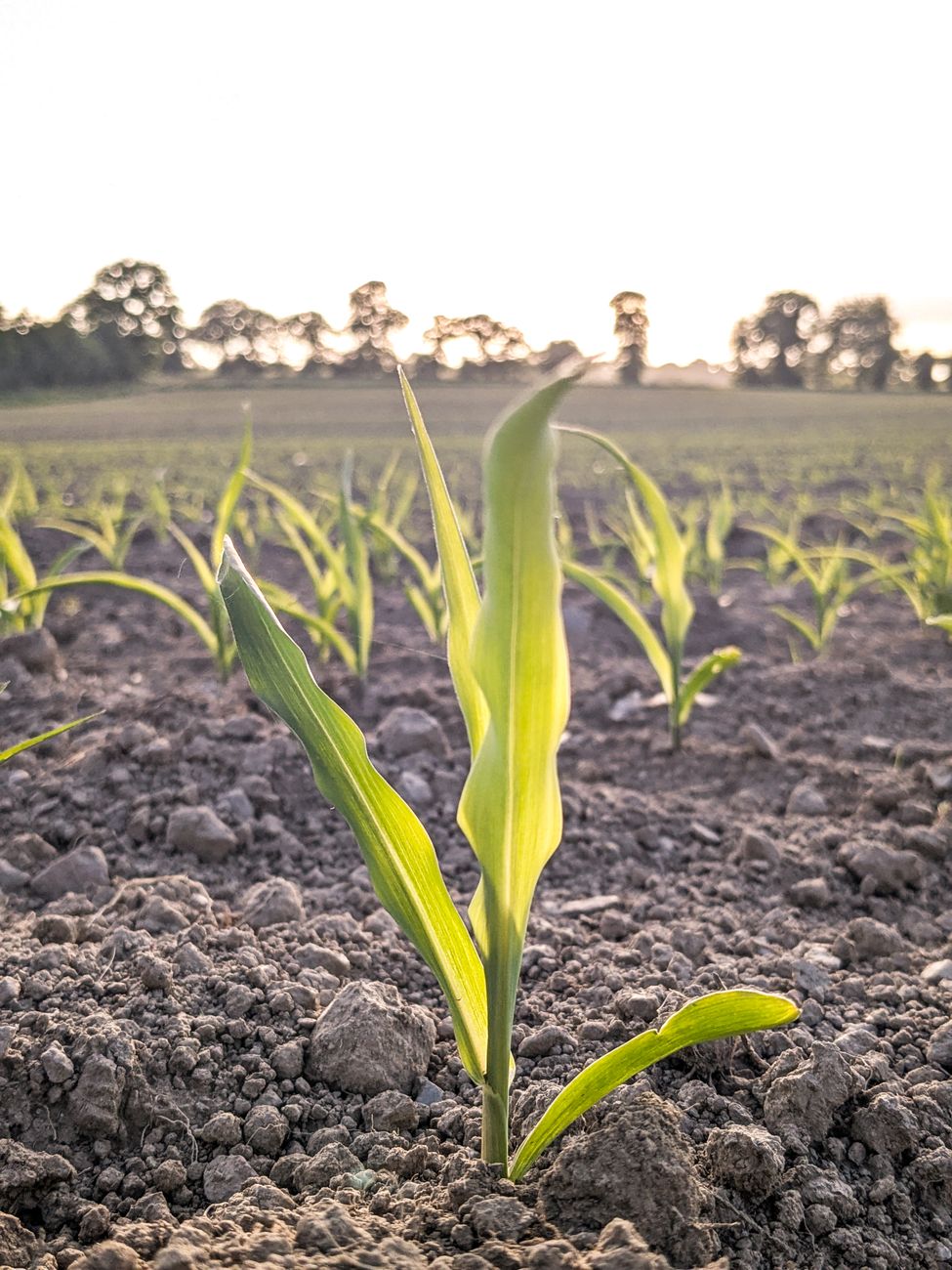
Rodale Institute's Farming Systems Trial has compared organic and conventional grain farming side by side in Pennsylvania since 1981. It finds organic systems match conventional yields, outperform them in drought, and keep improving soil health while conventional soil stays unchanged.
In 1981 Bob Rodale started a long experiment in Kutztown, Pennsylvania. He wanted scientific evidence for the advice being given to the new National Organic Program, so the Rodale Institute began growing grain side by side under organic and conventional management. More than 40 years later, the Farming Systems Trial covers 72 experimental plots.
The trial compares three systems: a conventional system using synthetic fertiliser and herbicides, like a typical US grain farm; an organic system fertilised only by legume cover crops; and an organic system that also uses composted manure, like a mixed livestock farm. Corn and soybeans are the focus, because 70 percent of US cropland grows grain. Since 2008 each system has also been split between full and reduced tillage.
The findings favour the organic systems. Their yields match conventional ones in normal years, and in drought years organic corn yields have been 31 percent higher. Soil health in the organic systems has kept improving over time, while the conventional soil has stayed essentially unchanged. Organic soils hold more microbial life, which builds soil organic matter, and water soaks into them significantly faster, reducing runoff.
The economics hold up too. Even without the premium paid for organic crops, the manure-based organic system is the most profitable of the three. With premiums, both organic systems earn much more than the conventional one.
Long-term evidence shows farmers can grow as much food while building soil that holds water and carbon.
Source: Farming Systems Trial (Rodale Institute).
Written by the HappyGood desk from the primary source linked above and checked against it. Every story links its source. Corrections: [email protected].
- Far North Queensland rainforest berry yields a targeted cancer therapy for dogs October 10, 2026
- Surfrider chapters restore dunes and mangroves to protect the coast October 9, 2026
- City transit shelters sprout living sedum roofs to feed foraging urban bumblebees October 8, 2026
- Iowa farmers, towns and roadsides enlisted to plant habitat for monarch butterflies October 8, 2026
- More than a million seagrass seeds planted to grow a new meadow in a Welsh bay October 8, 2026