
Barn owls in vineyard nest boxes cut rodent numbers in California wine country
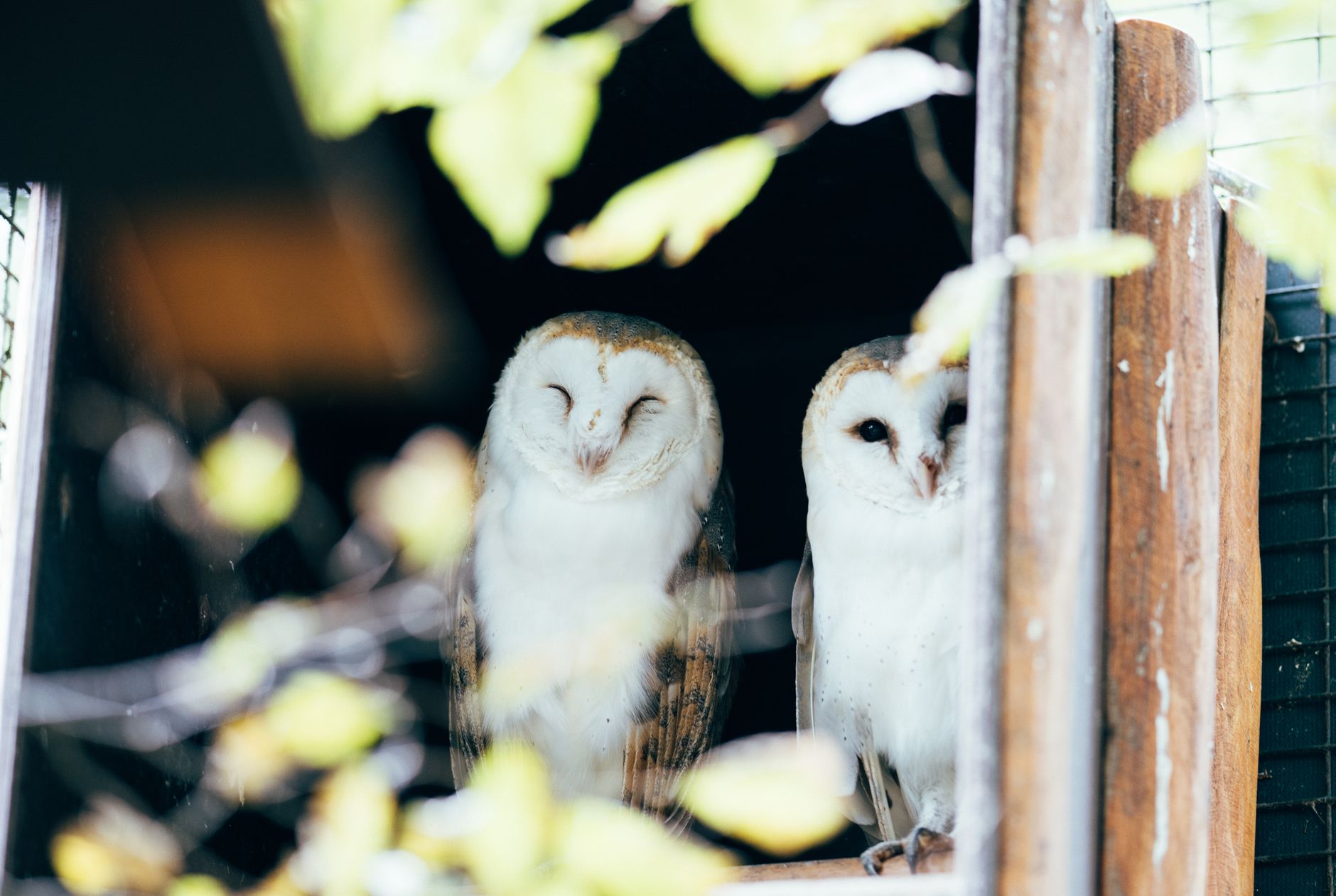
Researchers at Cal Poly Humboldt and UC Davis found 38 to 52 percent fewer rodents in Napa Valley vineyards with more barn owls than in those with few or none. The owls also made rodents more cautious, offering vineyards a natural alternative to harmful pesticides.
Summer brings the sunshine wine grapes need, and also more rodents that damage vineyards. To keep them down while using fewer harmful pesticides, California vineyards have been turning to barn owls.
Since 2015, Cal Poly Humboldt wildlife professor Matt Johnson and his team have monitored more than 500 nest boxes installed in vineyards across California wine country. In a given year, 30 to 75 percent of the boxes hold breeding owls, and one family of barn owls can remove up to 4,000 rodents a year.
A new study by Johnson, graduate student Katherine Larson and UC Davis wildlife professor Roger Baldwin, published in Ecological Applications, looked at six Napa Valley vineyards in 2023. Vineyards with more barn owls had 38 to 52 percent fewer rodents than those with few or no owls. The rodents also behaved more cautiously, showing a 16 to 38 percent increase in fear of predators. Owls hunt mainly by sound and rodents watch for danger, so areas with more plant cover seemed to give the owls an advantage.
Napa winery Grgich Hills Estate has taken part since the research began. "It has allowed us to make informed decisions regarding our integrated pest management system, which has reduced rodent pressure significantly in our vineyards over the years," said winemaker Ivo Jeramaz.
For growers who want to try it, the researchers say owls prefer tall wooden boxes on poles over 12 feet high near grassland, and it can take one to three years for owls to move in.
Farms and wildlife can help each other: owls get homes, and growers get pest control without poison.
Source: In Wine Country, Barn Owls Eat Rodents and Scare Them (Cal Poly Humboldt).
Written by the HappyGood desk from the primary source linked above and checked against it. Every story links its source. Corrections: [email protected].
- Far North Queensland rainforest berry yields a targeted cancer therapy for dogs October 10, 2026
- Surfrider chapters restore dunes and mangroves to protect the coast October 9, 2026
- City transit shelters sprout living sedum roofs to feed foraging urban bumblebees October 8, 2026
- Iowa farmers, towns and roadsides enlisted to plant habitat for monarch butterflies October 8, 2026
- More than a million seagrass seeds planted to grow a new meadow in a Welsh bay October 8, 2026