
Probiotics protect ninety percent of Red Sea corals from heat bleaching
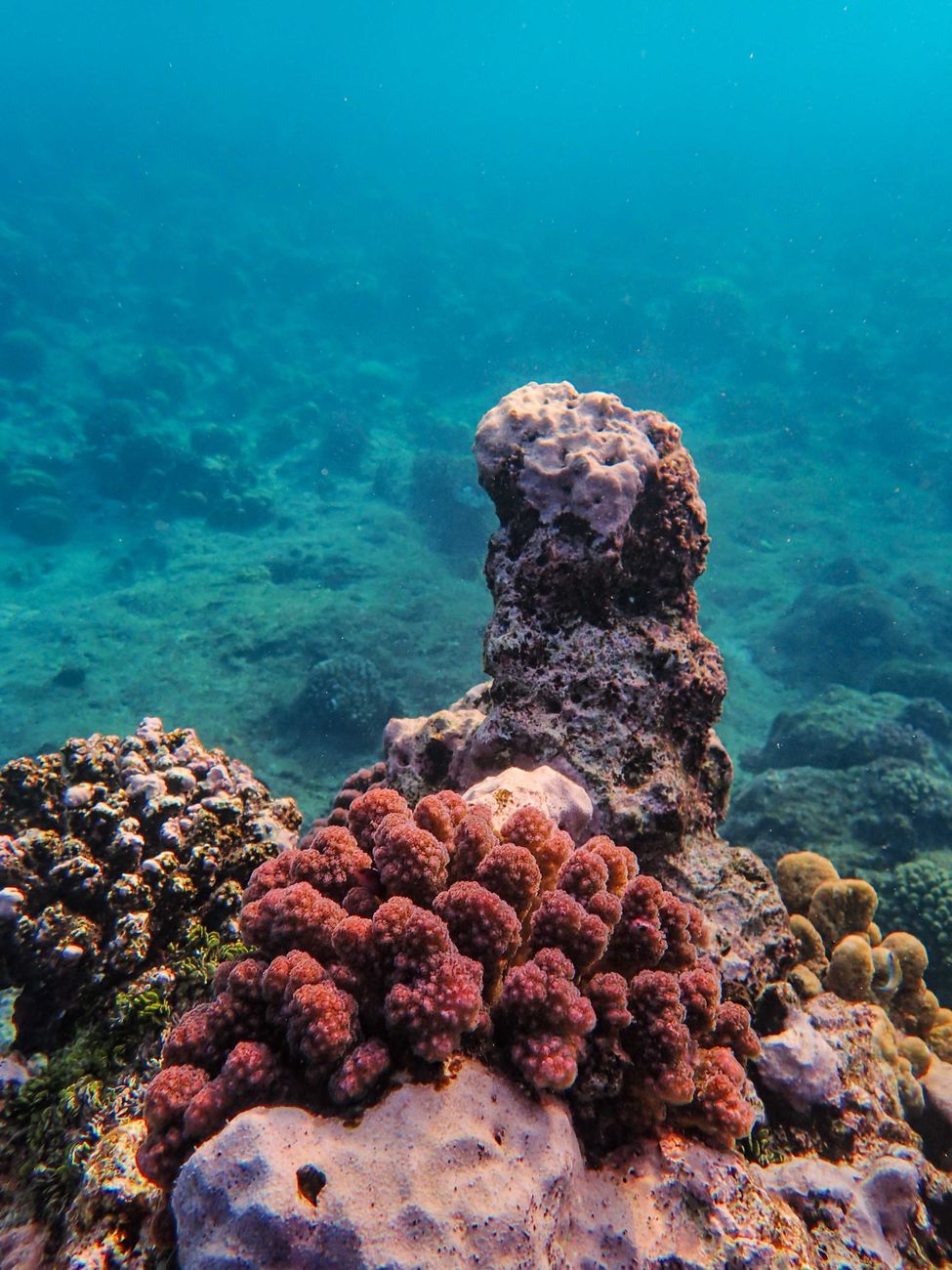
Marine biologists administering beneficial bacterial probiotics to sensitive reef corals successfully prevented thermal bleaching across ninety percent of treated colonies during record Red Sea heat waves.
Rising ocean temperatures cause corals to expel their colorful symbiotic algae, leading to widespread bleaching, starvation, and reef mortality. To build thermal resilience, researchers developed custom probiotic mixtures of native beneficial marine bacteria, delivering them via microscopic biodegradable nutrient pellets directly to coral polyps before seasonal temperature spikes peaked.
Field findings published in Mongabay in October 2026 confirmed that inoculated corals maintained photosynthetic activity and suffered virtually no tissue loss, while adjacent untreated colonies suffered severe bleaching. "Probiotics act like a natural shield, giving vulnerable reefs the resilience they need to survive warming seas," the lead coral researcher wrote. The treatment left no chemical residue in surrounding seawater.
Marine conservation institutes are now scaling the probiotic treatment for deployment across restoration nurseries and tourist reef sites in the Indo-Pacific region next summer.
Coral reef species and coastal fishing communities gain a biological shield that prevents thermal bleaching and preserves marine habitats.
Source: Probiotics Prevented Coral Bleaching During Red Sea Heat Wave (Mongabay / KAUST Marine Science).
Written by the HappyGood desk from the primary source linked above and checked against it. Every story links its source. Corrections: [email protected].
- Rodale Institute confirms regenerative farming trials increased topsoil carbon by twenty percent October 4, 2026
- Ocean Cleanup extracts one million pounds of plastic from Pacific patch October 4, 2026
- Michigan student inventors turn recycled plastic bottles into low-cost prosthetic limbs October 3, 2026
- Berkeley engineering team installs solar water purifiers in remote mountain villages October 3, 2026