
Six beavers released near Loch Ness, 500 years after the species was last recorded there
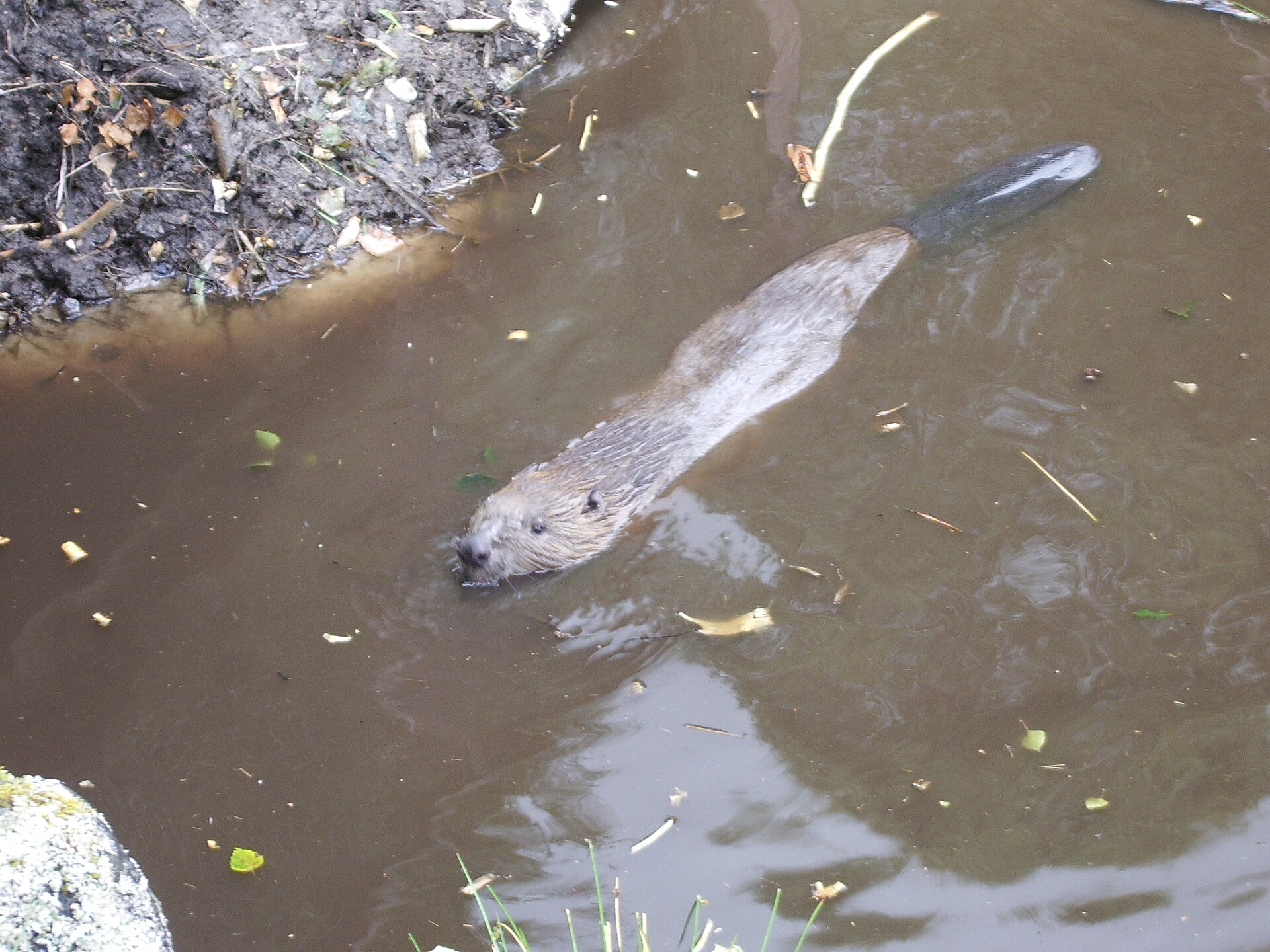
A family of six beavers was released on 4 November into a lochan, or small loch, on Trees for Life's 10,000-acre Dundreggan rewilding estate in Glenmoriston. The estate lies in the Loch Ness catchment, the land that drains into the loch, in the Scottish Highlands. Beavers were last recorded beside the loch 500 years ago, before hunting drove them to extinction across Scotland. The family was moved from elsewhere in Scotland under a NatureScot licence. Theirs is the first release of the Ness Beaver Project, through which Trees for Life and Beaver Trust will reintroduce at least 15 beaver family groups into lochs, lochans and rivers around Loch Ness over the next three years.
NatureScot, the government agency, granted the licence on 30 October after Trees for Life applied in the summer. Before release, the animals have health checks at a specialist beaver holding facility at Five Sisters Zoo. The project is designed so that beaver populations can connect up and grow across extensive woodlands and hundreds of kilometres of river and loch banks.
"Hunted to extinction centuries ago, beavers are reclaiming their place in our rivers and wetlands," said Alan McDonnell, Trees for Life's head of nature restoration. "Five hundred years since Loch Ness became the last recorded site of Scotland's beavers before they were eradicated, they are back with the space and habitat to flourish."
Beavers dig channels and build dams. They also coppice trees, cutting them back so they regrow from the base. According to the charities, this work creates pools and wetlands and opens light-filled gaps in the woodland, which support frogs and dragonflies, with the insects feeding birds and bats. They also say that on smaller streams the dams slow the water and trap sediment, helping improve water quality, and that beaver wetlands can reduce flooding downstream and hold water through dry spells.
Dr Roisin Campbell-Palmer, head of restoration at Beaver Trust, said it had been "profoundly rewarding to release the first beavers at Dundreggan." Trees for Life's locally based beaver officer and Beaver Trust staff will provide ongoing support, and a monitoring and mitigation group will be set up. Future release sites will be announced once the beavers have been safely released, so the animals can settle into their new homes without disturbance.
Dundreggan is home to the world's first Rewilding Centre. Once the beavers have settled, Trees for Life plans to run guided tours there so visitors can look for the animals and the signs of their activity.
Beaver Trust calls the project a step towards delivering Scotland's National Beaver Strategy, which involves expanding the beaver population into suitable areas with monitoring and practical support for any problems that come up.
Source: Historic return of beavers to waters around Loch Ness - Beaver Trust (beavertrust.org).
Written by the HappyGood desk from the primary source linked above and checked against it. Every story links its source. Corrections: [email protected].
More from the archive
- Glass salp is first salp species known to live only in deep sea November 25, 2026
- Oyster-farming family honoured for rescuing more than 100 neighbours November 24, 2026
- Steve Guest walks again after back operation and celebrates 79th birthday November 24, 2026
- Seven families adopt 10 children at Long Island Aquarium November 24, 2026
- Dark Energy Camera captures most detailed view of Betta Fish Nebula November 24, 2026