
A beaver family comes home to Loch Ness after 500 years
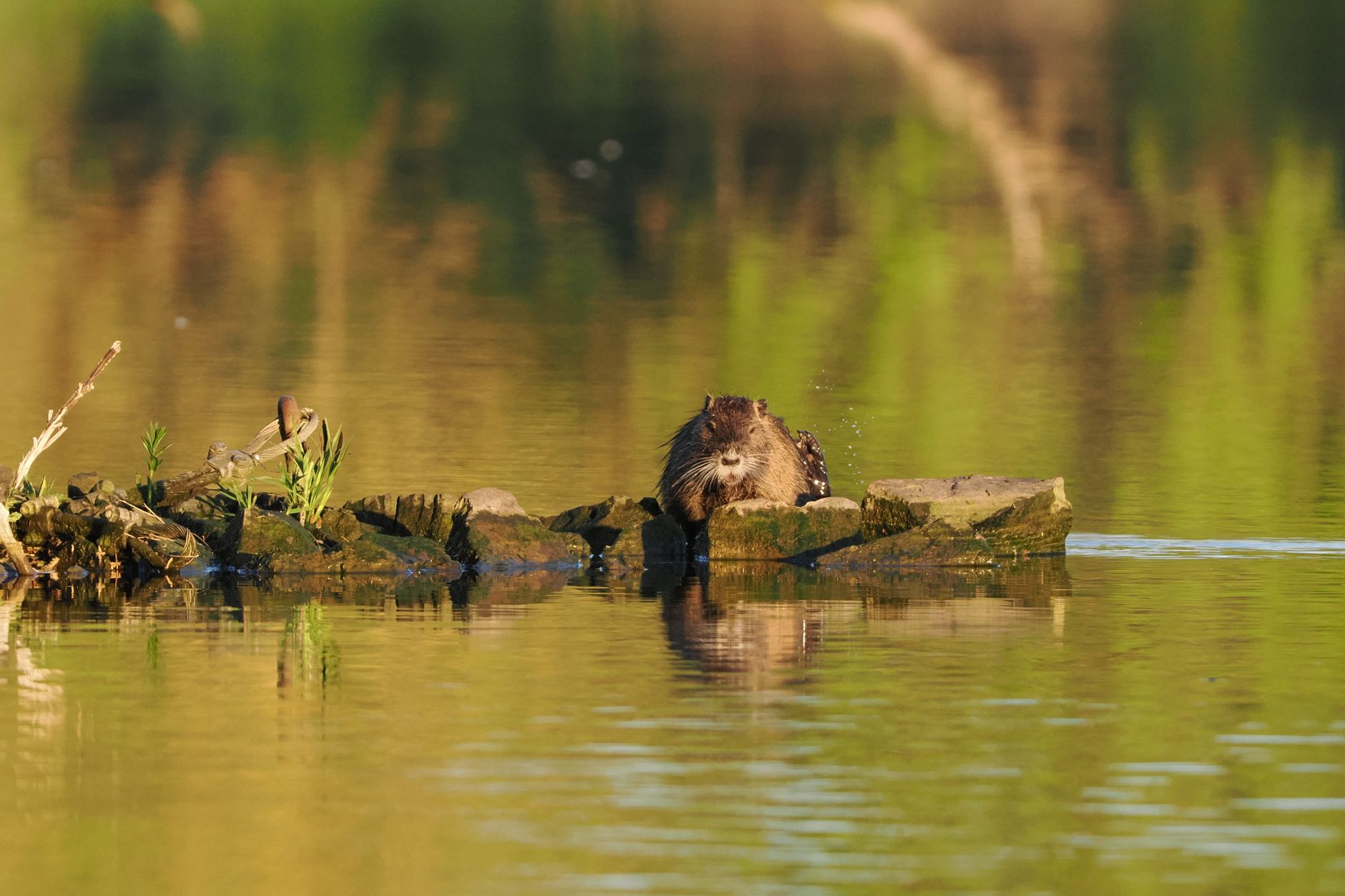
On November 4, a family of six beavers was released at a lochan, or small lake, on Dundreggan, a 10,000-acre estate in Glenmoriston managed by the Scottish rewilding charity Trees for Life. Beavers were last recorded around Loch Ness 500 years ago. Hunting and habitat loss drove their disappearance from Britain. The release starts the Ness Beaver Project, led by Trees for Life and Beaver Trust, which aims to bring at least 15 beaver family groups to carefully selected sites around Loch Ness over the next three years.
Scotland's official beaver reintroduction began in 2009, but large parts of the species' former range, including parts of the Scottish Highlands, are still unoccupied. The new arrivals come from Tayside, where populations are expanding. After health checks, each family is moved to its release site and given extra food and temporary shelter while it settles in.
“Getting beavers into Loch Ness means that there is a powerful starting point for the recolonisation of beavers over a much wider landscape,” said Steve Micklewright, CEO of Trees for Life. “Loch Ness is iconic in itself, but getting beavers there means they can start to do their magical work over a huge area of northern Scotland.”
A grant of a little over 47,000 euros from Rewilding Europe's European Wildlife Comeback Fund is helping Trees for Life deliver the work, supporting releases, monitoring, volunteer involvement and community engagement. The money will also contribute to ongoing support for beavers in nearby Glen Affric, where seven animals were released in October 2025. Those beavers have since bred.
Community engagement found widespread support for the beavers' return, but some farmers and fishers have raised concerns about potential impacts. A locally based beaver management officer, backed by a monitoring and mitigation group, will work with landowners on practical measures such as protecting valuable trees and managing water levels behind dams. Monitoring will follow the animals' movements and breeding success, along with changes to habitats used by Atlantic salmon and other wildlife.
Once the animals have settled, Trees for Life plans to run guided beaver tours at Dundreggan, home to the world's first Rewilding Centre. Micklewright hopes that within 15 to 20 years, beavers will be far more widespread across Scotland.
Beavers restore natural processes that keep rivers and wetlands healthy, and Rewilding Europe says their return to Loch Ness will help restore freshwater habitats and boost biodiversity. A healthy, connected population there could also give the species a springboard to recolonise a much wider area of northern Scotland.
Source: Beavers return to Loch Ness area after 500 years | Rewilding Europe (rewildingeurope.com).
Written by the HappyGood desk from the primary source linked above and checked against it. Every story links its source. Corrections: [email protected].
More from the archive
- Glass salp is first salp species known to live only in deep sea November 25, 2026
- Oyster-farming family honoured for rescuing more than 100 neighbours November 24, 2026
- Steve Guest walks again after back operation and celebrates 79th birthday November 24, 2026
- Seven families adopt 10 children at Long Island Aquarium November 24, 2026
- Dark Energy Camera captures most detailed view of Betta Fish Nebula November 24, 2026