
Rural mountain towns replace glaring streetlights to restore dark night skies for wildlife
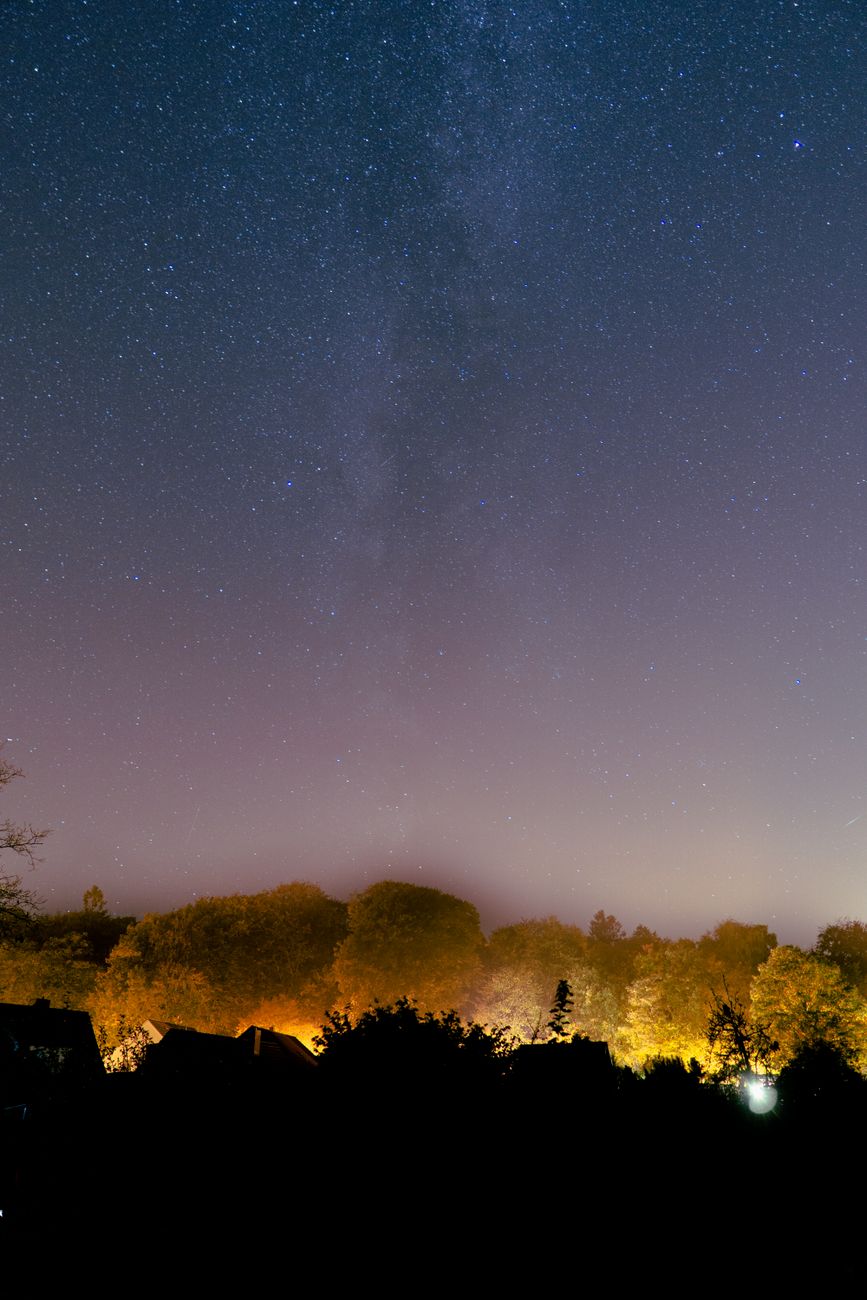
In the high mountain town of Flagstaff, Arizona, and dozens of rural communities worldwide, stepping outside on a clear night offers a jaw-dropping celestial view that billions of city dwellers never experience: the shimmering, silver ribbon of the Milky Way arching from horizon to horizon.
Certified as an International Dark Sky Community by the non-profit organization DarkSky International, these municipalities have enacted forward-thinking lighting ordinances designed to preserve natural darkness while maintaining safe, effective pedestrian illumination. Rather than installing high-glare, blue-white floodlights that spill light into the sky, communities mandate fully shielded, downward-facing fixtures with warm-temperature bulbs that cast light only where needed on ground level.
The benefits of reducing artificial light at night extend far beyond breathtaking stargazing. Millions of migratory songbirds navigate using star patterns and can become dangerously disoriented by urban skyglow, while nocturnal pollinators, amphibians, and mammals depend on darkness for feeding and reproduction. Medical researchers have also linked reduced nighttime light exposure to improved human sleep quality and circadian rhythm health.
Moreover, dark sky designation has catalyzed a surge in low-impact 'astrotourism,' with travelers flocking to certified communities to visit public observatories, join ranger-led telescope nights, and support local businesses. By embracing the night, these towns have demonstrated that human progress does not require erasing the stars.
Source: International Dark Sky Communities and Night Sky Conservation (DarkSky International).
Written by the HappyGood desk from the primary source linked above and checked against it. Every story links its source. Corrections: [email protected].