
New Zealand's kererū recovers where predators are controlled
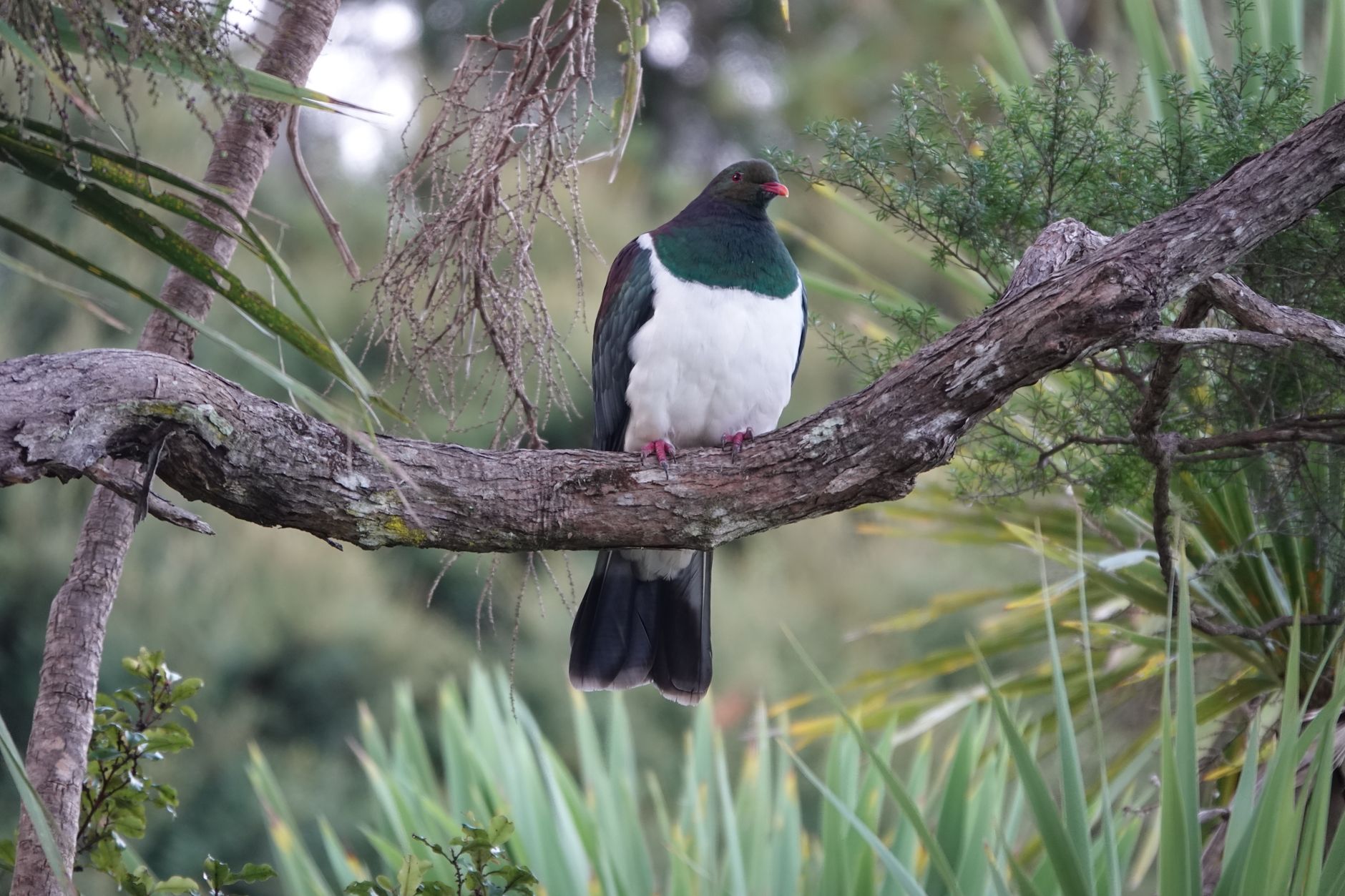
New Zealand's native pigeon, the kererū, is recovering on predator-free islands and in places with large-scale pest control, especially near big cities, according to the Department of Conservation. Where rats and possums are controlled, kererū numbers can rise by 50 percent in two years.
The kererū is a large pigeon with shining green and bronze feathers and a white chest, and the loud beat of its wings is a familiar sound in New Zealand's forests. It is found only in New Zealand.
It matters far beyond its looks. Since the moa died out, the kererū and its Chatham Islands cousin, the parea, are the only birds big enough to swallow large fruits such as karaka, miro, tawa and taraire and spread their seeds over long distances. The Department of Conservation says losing them could be a disaster for the regrowth of native forest.
Predators are the biggest threat. Rats, stoats, cats and possums eat eggs and chicks, and studies have found that many nests produce no young at all. Possums also compete with adult birds for food.
The good news is that protection works. Nationally the kererū population is considered stable, and declines where predators and illegal hunting go unchecked have been offset by recovery on predator-free offshore islands and at sites with widespread pest control, particularly near large urban centres. The Department says that by controlling rats and possums, kererū populations can increase by 50 percent in two years.
Anyone can help. The Department suggests trapping predators and planting trees kererū feed on, such as tree lucerne for winter food and, for the long term, miro, tawa, kōwhai, puriri and wineberry.
A bird that replants New Zealand's forests is bouncing back wherever people keep its predators down.
Source: New Zealand pigeon / kererū / kūkū / kūkupa (New Zealand Department of Conservation).
Written by the HappyGood desk from the primary source linked above and checked against it. Every story links its source. Corrections: [email protected].
- Restored prairie river corridors welcome back thriving native North American river otters October 9, 2026
- Rescued sea otter pups surrogate-reared by wild mothers help revive coastal kelp forests October 9, 2026
- Mule deer and moose cross Utah's narrow Parleys Canyon wildlife overpass October 9, 2026
- Thousands of handcrafted nest boxes spark endangered Gouldian finch population surge October 7, 2026
- Mainland Australian sanctuary welcomes healthy Tasmanian devil joey generation October 7, 2026