
Tayside and Forth beaver territories reach up to 405 in Scotland's largest survey
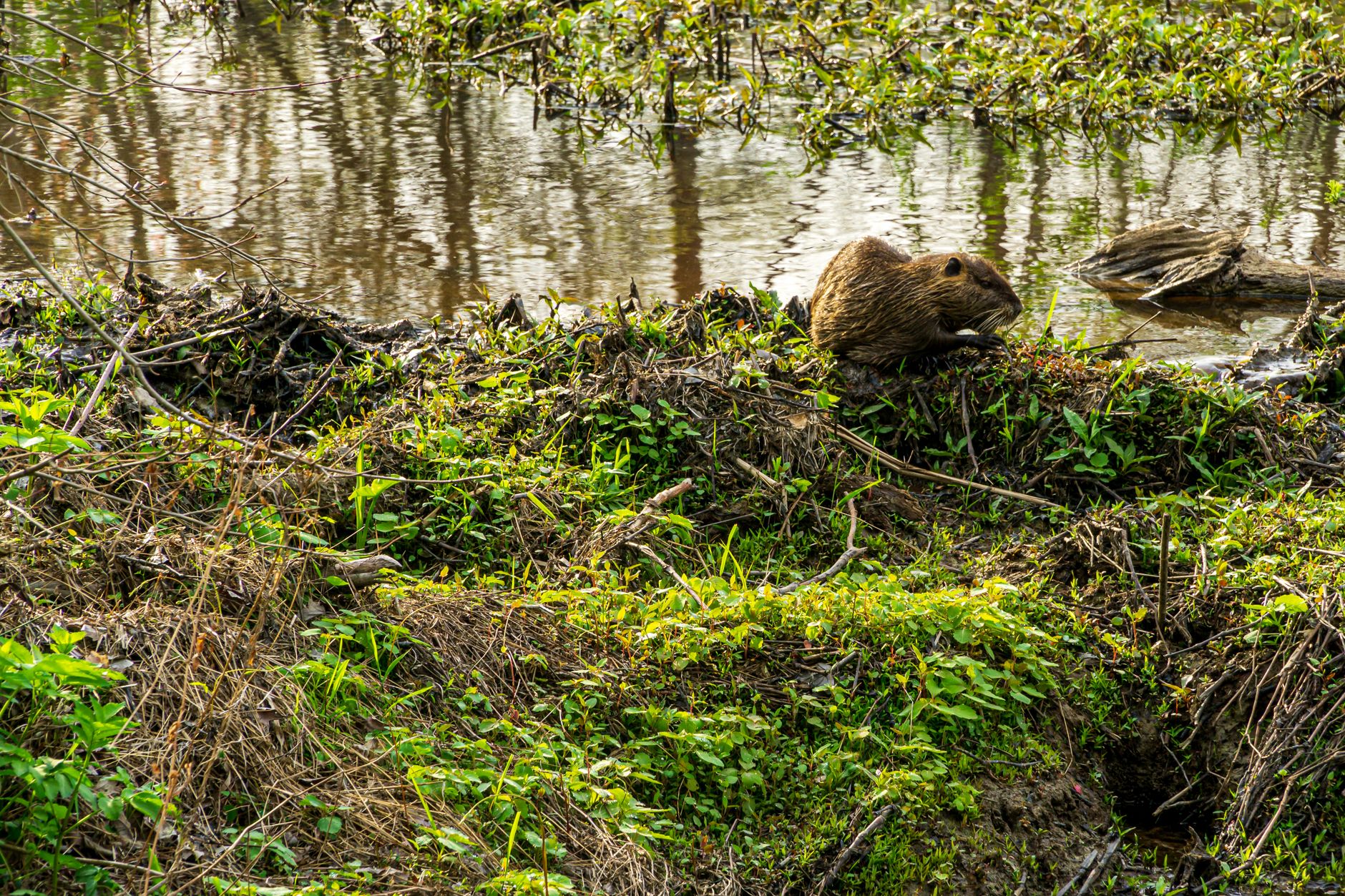
Scotland's largest ever survey of beavers has found 349 confirmed territories and 56 possible ones across the Tayside and Forth catchments, a total of up to 405. Earlier surveys counted 39 territories in 2012, 114 in 2017-2018 and 251 in 2020-2021. The survey was a partnership between NatureScot, Beaver Trust and the University of Exeter. Its fieldwork, carried out in 2024-2026, covered 2,397km of rivers, burns, lochs and drainage systems.
Beaver Trust's restoration team searched the watercourses on foot and by canoe. They logged 20,853 confirmed signs of beavers, including burrows, dams, lodges, scent mounds, dug canals, and trees and crops the animals had fed on. A territory is the area held by one beaver family group. Family sizes vary between territories, so the survey gives no overall population figure. It does show the species expanding its range and moving into new areas.
Beavers are now established across the Forth and Fife regions, along the shoreline of the Firth of Tay and in the South Esk and Clyde catchments. In the Tay and Forth areas, where beavers have been present for longer, field signs show that gaps between established territories are now being filled.
The places where beavers are active have also changed. Waterside woodland accounted for 50% of activity and farmland for 28%. In 2020-2021 the order was reversed, with farmland at 41% and woodland at 34%.
Dr Roisin Campbell-Palmer, Head of Restoration at Beaver Trust, said it was "encouraging to see the population growing and beavers establishing themselves in new areas." She said growth has slowed compared with previous surveys "as the core catchments become more occupied, with natural and human-made barriers limiting movement into some new catchments or sub-catchments."
Dr Roo Campbell, NatureScot mammal adviser, said more dams were recorded relative to the population size, "perhaps an indication of beavers moving into less agriculturally dominated landscapes and smaller burns."
Dr Alan Puttock, from the University of Exeter, said he hoped the data "will encourage coexistence with wild beavers in Scotland and beyond, helping to maximise the benefits and minimise the conflicts associated with this ecosystem engineer." An ecosystem engineer is an animal that changes its own habitat.
Dr Campbell said the wetlands created by beaver dams "are important for biodiversity and valuable to us because they can alleviate flood and pollution risk downstream." He also said beavers can occasionally cause issues, and NatureScot's Beaver Mitigation Scheme will continue to be available to help land managers as the population spreads.
Source: New survey shows Tay and Forth beaver population expanding - Beaver Trust (beavertrust.org). Spotted via Beaver Trust UK.
Written by the HappyGood desk from the primary source linked above and checked against it. Every story links its source. Corrections: [email protected].
More from the archive
- Glass salp is first salp species known to live only in deep sea November 25, 2026
- Oyster-farming family honoured for rescuing more than 100 neighbours November 24, 2026
- Steve Guest walks again after back operation and celebrates 79th birthday November 24, 2026
- Seven families adopt 10 children at Long Island Aquarium November 24, 2026
- Dark Energy Camera captures most detailed view of Betta Fish Nebula November 24, 2026