Moth confused with common species for over a century turns out to be new
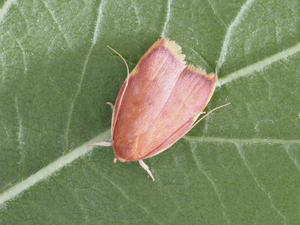
Austrian entomologist Dr Peter Huemer has identified a new moth species after DNA barcoding revealed genetic differences of more than six percent from a close relative. The moth, now named Carcina ingridmariae, had been mistaken for the widespread oak carcina (Carcina quercana) since that species was first described in 1775. The pink and yellow moth has a wingspan of about two centimeters and lives across the eastern Mediterranean, from Croatia and Greece to Cyprus and Turkey. Analysis of the insects' sexual organs confirmed what the molecular data suggested: two distinct species had been hiding in plain sight. Huemer, who works at the Tyrolean State Museum Ferdinandeum in Innsbruck and has described more than 200 species from Europe over 35 years, named the moth after his wife Ingrid Maria on their 42nd wedding anniversary. He called it the prettiest species he has encountered in his long scientific career.
DNA barcoding can uncover hidden biodiversity even in regions and insect groups that scientists have studied for centuries.
Source: Striking new moth species, hidden for a century, named to honor 42 years of marriage (eurekalert.org). Spotted via Good Good Good.
Written by the HappyGood desk from the primary source linked above and checked against it. Every story links its source. Corrections: [email protected].