
Hatchlings from U.S. West Coast’s first confirmed natural sea turtle nests reach ocean
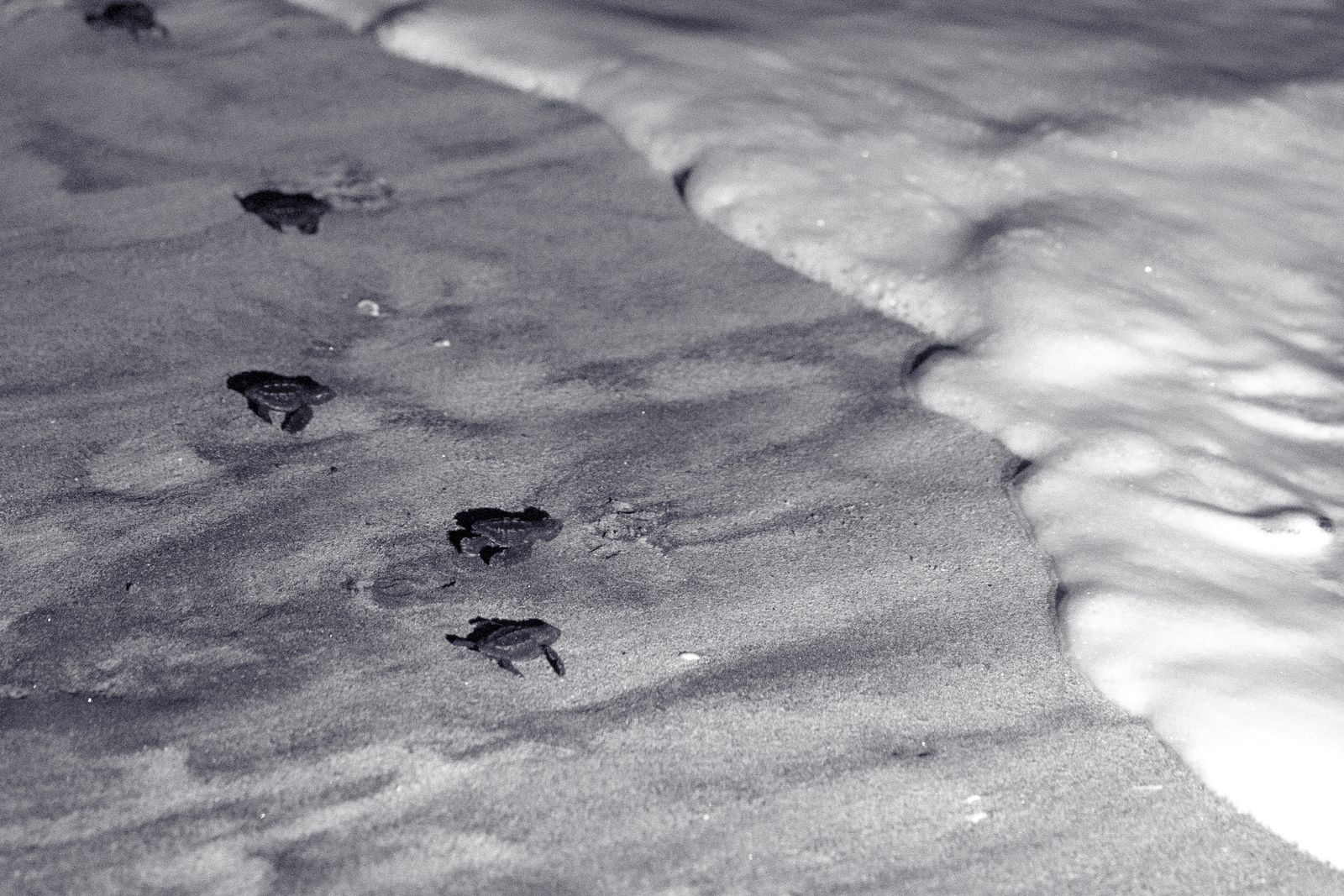
Dozens of olive ridley turtles hatched from the first natural sea turtle nests confirmed on the United States’ West Coast and were released at California’s Seal Beach and Huntington Beach over the weekend. All the released hatchlings reached the water, according to a statement. Biologists had moved more than 200 eggs to the Aquarium of the Pacific after the nests were found in September to protect them from an approaching tropical storm.
The eggs were kept under sand in closed incubators in a room with controlled temperature and humidity. Staff spotted a depression and cracks in the sand covering the Seal Beach eggs on November 12. The first turtle emerged the following evening at around 7:15 p.m. Pacific time. More followed around two hours later, bringing the total to 54.
“It kind of went from looking like very smooth beach sand to looking like an eruption of baby sea turtles,” aquarium veterinarian Lance Adams said at a November 14 press conference. At that point, 50 eggs from the nest remained unhatched. Experts did not know whether they were viable and planned to continue monitoring them.
The Seal Beach hatchlings were released at their original nesting location before sunrise on Saturday. The Huntington Beach hatchlings followed early Sunday morning. Baby turtles use moonlight to navigate toward the ocean. Once in the water, they enter a “frenzy period,” swimming continuously for 24 to 48 hours, according to a social media post. Experts estimate that only one in 1,000 olive ridley hatchlings survives to adulthood.
Olive ridleys mostly inhabit tropical waters, and all their populations are considered threatened or endangered. Experts do not know why the mothers nested so far north. A hurricane may have sent them off course, while El Niño’s effects on water temperatures, currents and weather may also have pushed them toward California.
At the press conference, U.S. Fish and Wildlife Service biologist Jonathan Snyder said decades of conservation had increased olive ridley populations across portions of their range, allowing turtles along the coast to take advantage of the unusual conditions. Authorities found a third nest farther north in California’s Ventura County on November 1, but high tides destroyed it, Snyder told the Los Angeles Times.
Source: These Adorable Hatchlings Are From the U.S. West Coast's First Known Natural Sea Turtle Nests. Now, They've Returned to the Wild (smithsonianmag.com).
Written by the HappyGood desk from the primary source linked above and checked against it. Every story links its source. Corrections: [email protected].
More from the archive
- Glass salp is first salp species known to live only in deep sea November 25, 2026
- Oyster-farming family honoured for rescuing more than 100 neighbours November 24, 2026
- Steve Guest walks again after back operation and celebrates 79th birthday November 24, 2026
- Seven families adopt 10 children at Long Island Aquarium November 24, 2026
- Dark Energy Camera captures most detailed view of Betta Fish Nebula November 24, 2026