
Baltimore neighbours help bring a neglected park forest back to life for birds and people
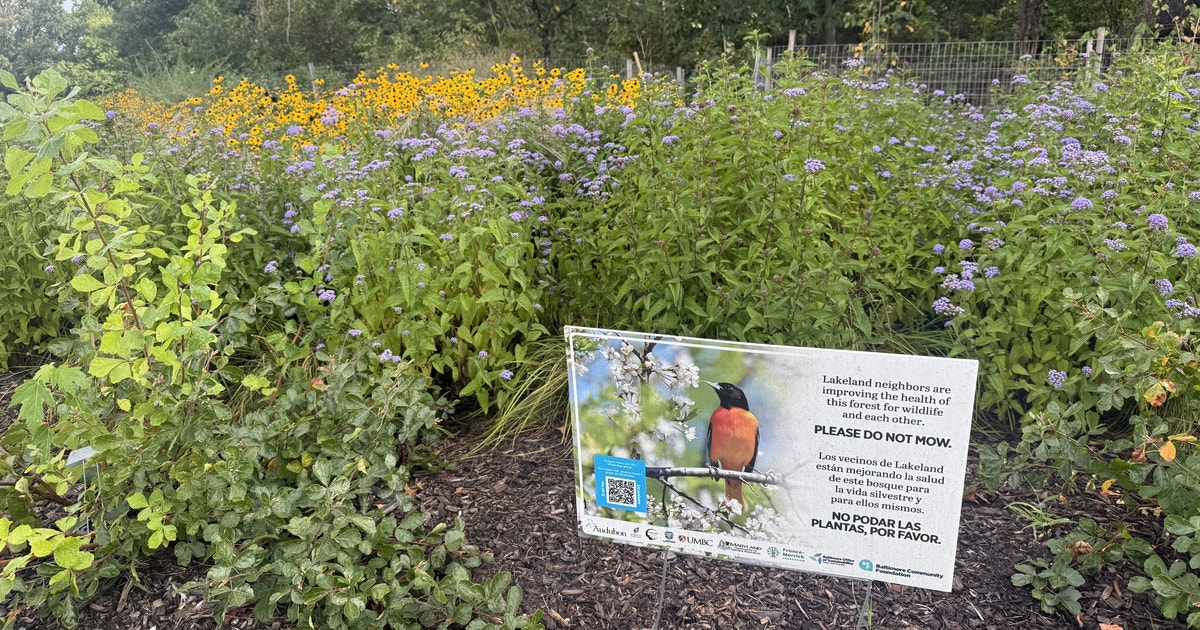
The forest in Lakeland Park, southwest Baltimore, was overgrown with English ivy and Japanese honeysuckle and scarred by illegal dumping. This autumn Audubon Mid-Atlantic and Baltimore City Recreation and Parks finished restoring it, after residents shaped the design at a series of community meetings. Crews cleared nearly 2,000 pounds of trash and reopened the trails. The team planted nearly 500 trees and shrubs and more than 1,100 native perennials, and more than 500 residents, including pupils from Lakeland Elementary/Middle School, joined the planting events.
Before the work began, the forest was hard to get into. Invasive plants smothered the native vegetation and blocked the trails, and illegal dumping had taken a toll on the land.
That began to change in 2024, when Audubon and the city's Recreation and Parks department chose Lakeland Park as the pilot site for the Baltimore Community Forestry Initiative. The first step was asking residents what they wanted. They asked for wider, more accessible paths, bilingual signs explaining the forest, and benches. Neighbours also helped choose the native trees, shrubs and wildflowers that were planted.
The city's Camp Small, which recycles dead wood from local forests, made four large wooden benches from fallen trees, because some neighbours cannot walk the length of the trail without a rest. Park crews widened the paths and built steps from reclaimed city trees. Green Stewards, community members trained by Audubon and Recreation and Parks in native plant identification, invasive species removal, tree planting and light trail work, supported improvements along the trails.
Lidia Mencho, a Lakeland resident and Green Steward, has watched the change. She said a park that was once empty is now full of trees and life, and that it feels special to sit on a bench her community helped create. Children now ask to visit. "The park is now the destination that they seek out," Mencho said. She added that they want to be there and that it is a safe place for them, which was not the case before.
The forest matters to birds too. Along the crowded I-95 corridor, city green spaces are rest stops where migrating birds feed. A healthier forest also supports the insects that most birds need to survive. Ashley Bowers of Baltimore City Recreation and Parks said smaller forests like this one are stepping stones between the largest parks, and critical stopover habitat for wildlife moving between them.
Lakeland is the first completed project of the initiative. Audubon and the city are now taking the same approach at a second site, Farring Baybrook Park, which holds 17 acres of forest within a 91-acre public park.
Source: Reclaiming an Urban Forest for Birds and People in Baltimore (audubon.org).
Written by the HappyGood desk from the primary source linked above and checked against it. Every story links its source. Corrections: [email protected].
More from the archive
- Glass salp is first salp species known to live only in deep sea November 25, 2026
- Oyster-farming family honoured for rescuing more than 100 neighbours November 24, 2026
- Steve Guest walks again after back operation and celebrates 79th birthday November 24, 2026
- Seven families adopt 10 children at Long Island Aquarium November 24, 2026
- Dark Energy Camera captures most detailed view of Betta Fish Nebula November 24, 2026