
Katsushika Hokusai, artist behind The Great Wave off Kanagawa, was born in Edo
Katsushika Hokusai was born in Edo, now Tokyo, on a date often given as 31 October 1760, though his birth date remains uncertain. He began painting around the age of six and produced over 30,000 paintings, sketches, woodblock prints and images for picture books during his career.
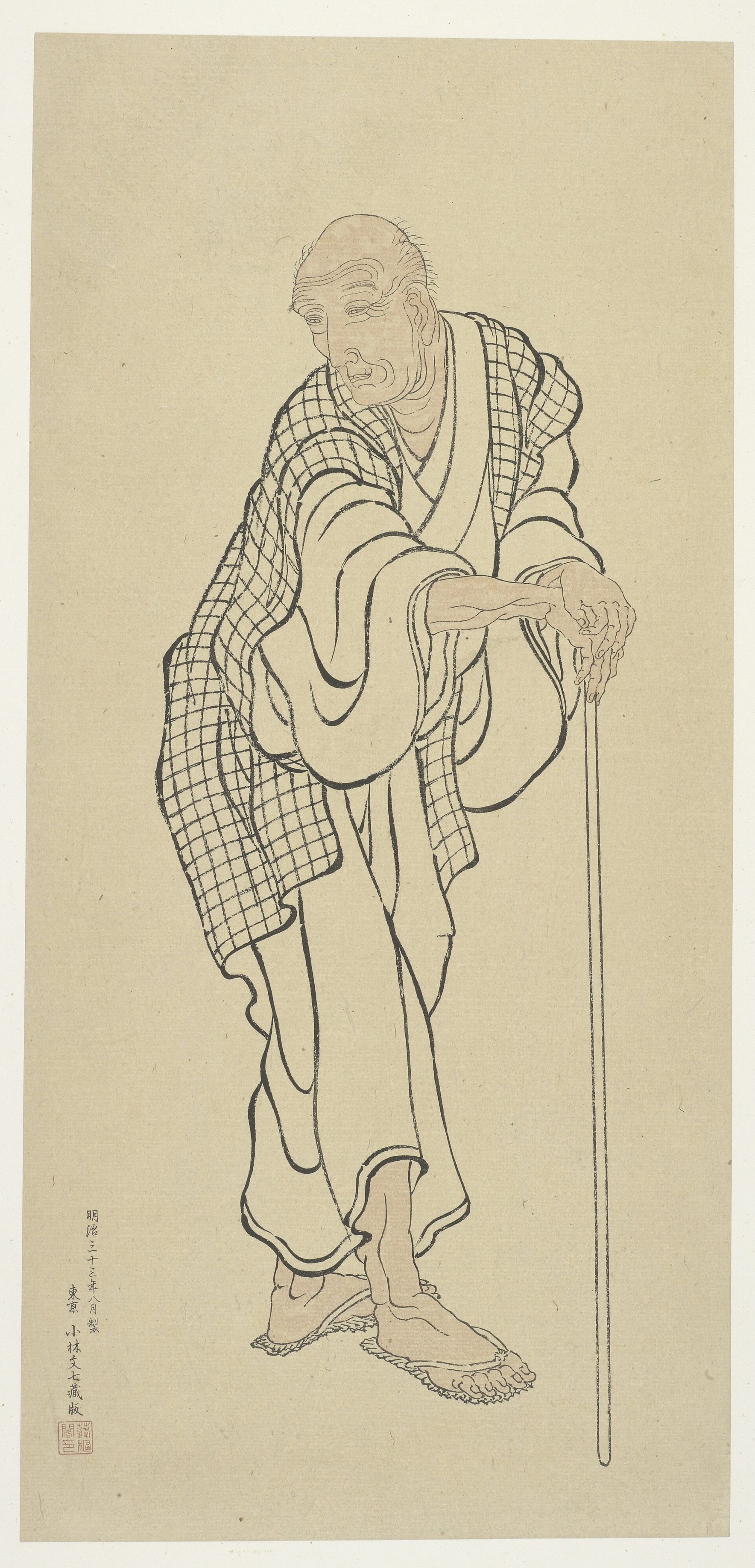
At 12, Hokusai went to work in a bookshop and lending library, where books printed from carved wooden blocks were popular entertainment. He became a woodcarver's apprentice at 14 and entered the studio of Katsukawa Shunshō at 18. Under the name Shunrō, he published his first prints, pictures of kabuki actors, in 1779.
Ukiyo-e, the Japanese style of woodblock prints and paintings he practised, had largely focused on courtesans and actors. Hokusai broadened its subjects to landscapes, plants and animals, and scenes of daily life among Japanese people from different social levels. He also explored European styles through French and Dutch copper engravings.
Shunkō, Shunshō's chief disciple, expelled Hokusai from the Katsukawa school, possibly because of his studies at the rival Kanō school. Hokusai later said: "What really motivated the development of my artistic style was the embarrassment I suffered at Shunkō's hands". In 1798, he became independent of a school for the first time.
A domestic travel boom and his personal interest in Mount Fuji prompted Thirty-Six Views of Mount Fuji. The series, particularly The Great Wave off Kanagawa and Fine Wind, Clear Morning, secured his fame in Japan and overseas.