
John Glenn reaches space at 77 aboard Discovery
John Glenn flew into space aboard Space Shuttle Discovery on 29 October 1998, becoming the oldest person to go into space at that time. The Project Mercury astronaut was 77 when he joined mission STS-95.
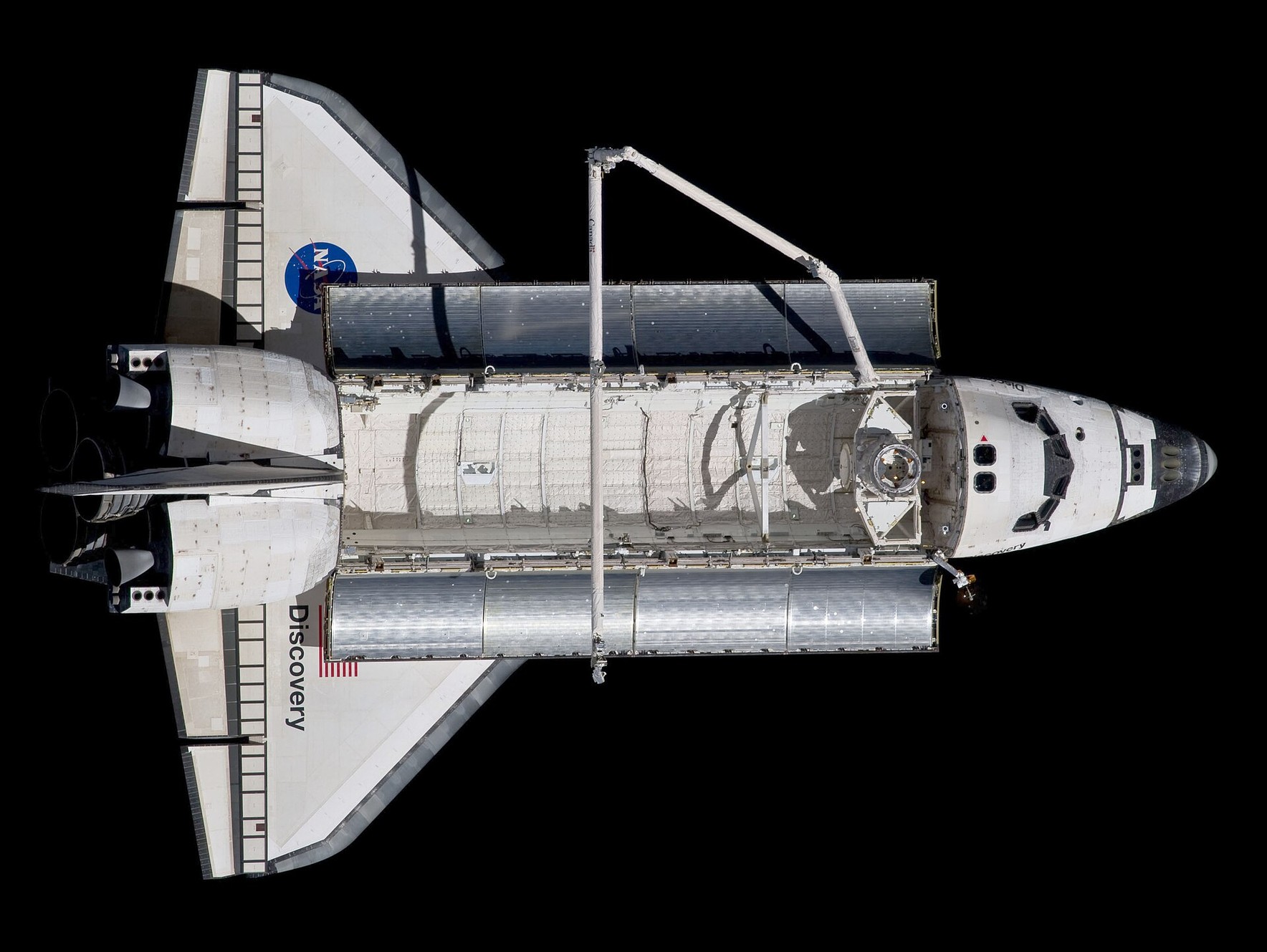
Discovery was the third of NASA's five fully operational shuttle orbiters, the winged spacecraft that travelled into orbit and returned to land. Columbia and Challenger preceded it. Its first mission, STS-41-D, flew from August 30 to September 5, 1984.
At launch, the orbiter was attached to a single-use central fuel tank and two reusable solid rocket boosters. Nearly 25,000 heat-resistant tiles protected it from high temperatures as it returned through Earth's atmosphere.
The name came from ships of exploration, including HMS Discovery, commanded by Captain James Cook during his third and final major voyage, and Henry Hudson's Discovery, used to explore Hudson Bay and search for a Northwest Passage.
Discovery carried the Hubble Space Telescope into orbit and conducted its second and third servicing missions. On May 27, 1999, it launched on STS-96, the first shuttle mission to dock with the International Space Station. It also flew research and station assembly missions.
Across 27 years of service, Discovery launched and landed 39 times and spent nearly a full year in space. Its final mission, STS-133, began on February 24, 2011, and ended at Kennedy Space Center on March 9, 2011.
NASA offered Discovery to the Smithsonian Institution's National Air and Space Museum for public display and preservation. It was transferred to the Steven F. Udvar-Hazy Center in Virginia on April 19, 2012.