
Adolphe Sax invented the saxophone for orchestras and military bands
Adolphe Sax invented the saxophone in the early 1840s and patented it on 28 June 1846 for use in orchestras and military bands. It could handle intricate passages like a woodwind instrument while projecting loudly like brass. That combination won it a place in military bands in France and elsewhere, but it did not become a standard orchestral instrument.
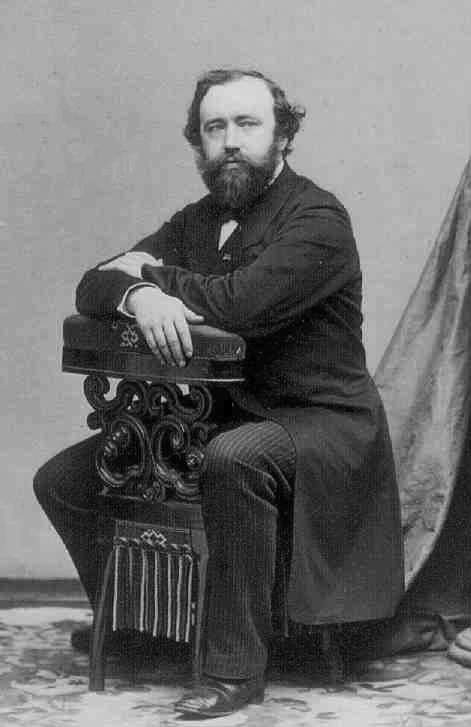
Born on 6 November 1814 in Dinant, in what is now Belgium, Sax grew up around instrument making. His father, Charles-Joseph Sax, opened a workshop after the family moved to Brussels in 1815. Sax studied flute, harmony and solfège at the Royal School of Music and took private clarinet lessons from Valentin Bender. He chose his father's workshop over a performing career.
Before the saxophone, Sax improved the bass clarinet and patented his design at 24. That redesign remained in use into the 21st century. He settled permanently in Paris in 1842 and developed versions of valved bugles that became known as saxhorns. Made in seven sizes, they helped lay the groundwork for the modern euphonium.
Hector Berlioz wrote approvingly of the saxophone in 1842. By 1846, Sax had designed a family ranging from sopranino to subcontrabass, although not all were built.
Sax secured a teaching job at the Paris Conservatory in 1857 and led its new saxophone course. Patent disputes continued for over 20 years, as rival makers challenged his patents and he sued them for infringement. He was driven into bankruptcy in 1852, 1873 and 1877.