
Paris Agreement takes effect on 4 November 2016
The Paris Agreement came into effect on 4 November 2016, committing countries to plan and report their response to climate change. European Union ratification secured enough participation to bring the treaty into force: it required at least 55 countries responsible for at least 55% of the world's greenhouse gas emissions to join.
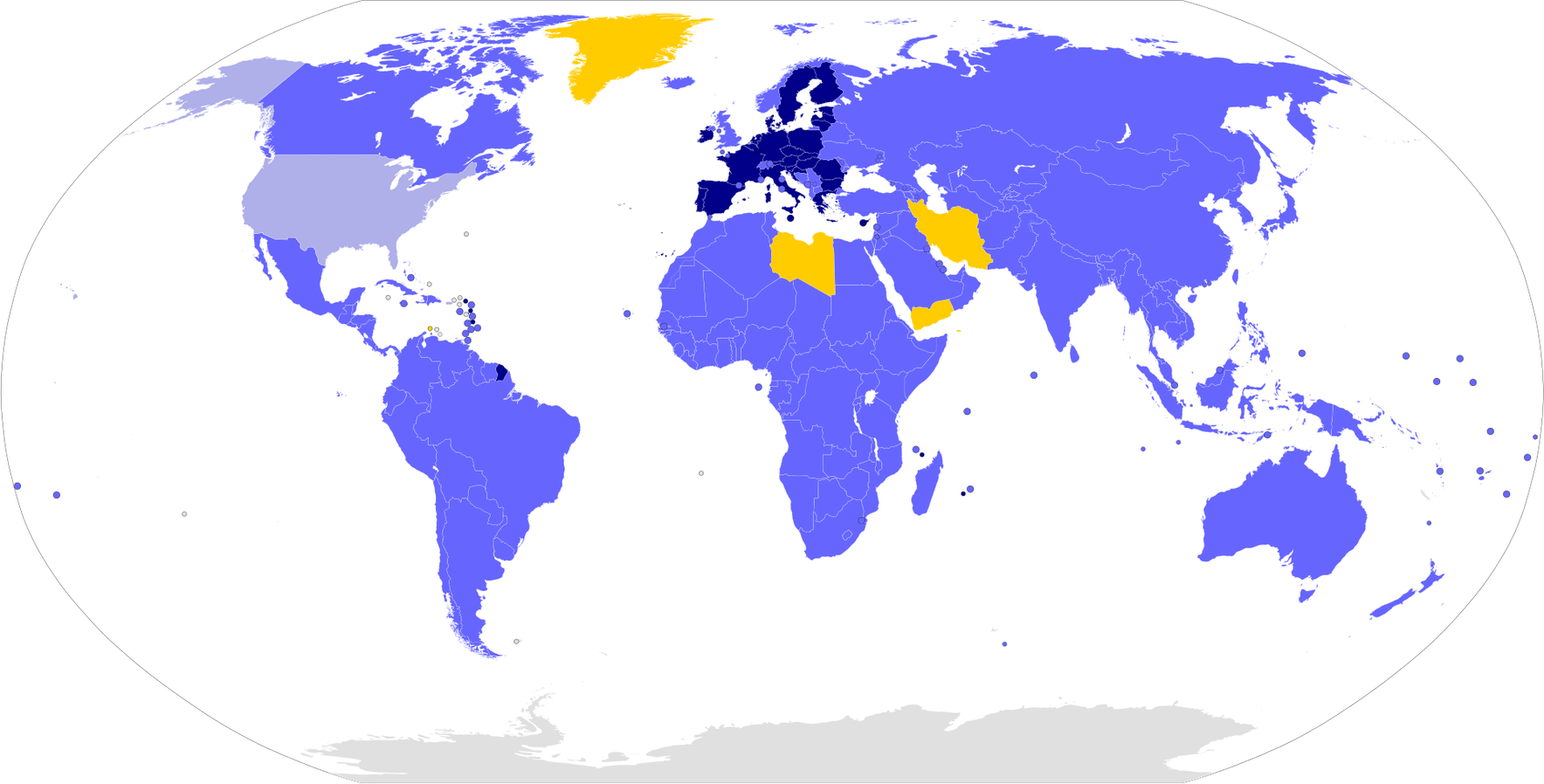
The treaty seeks to keep the rise in global surface temperature well below 2 °C above pre-industrial levels and pursue efforts to limit it to 1.5 °C. These limits refer to global temperatures averaged over twenty years. It also aims to help countries withstand climate impacts without threatening food production and to direct finance towards reducing emissions and adapting to climate change.
Each country must determine, plan and regularly report its contribution. Successive targets should go beyond earlier ones, but no mechanism forces countries to set specific emissions targets. Their pledges are insufficient to meet the temperature goals.
The agreement grew out of the United Nations Framework Convention on Climate Change, adopted at the 1992 Earth Summit. Negotiations in Copenhagen failed to produce a universally adopted successor to the Kyoto Protocol in 2009. Talks regained momentum under UNFCCC executive secretary Christiana Figueres, and a negotiating process established in Durban in 2011 sought an agreement in 2015.
After two weeks of talks, continuing through the final three nights, 195 participating member states and the European Union adopted the text by consensus on 12 December 2015. It opened for signature on Earth Day, 22 April 2016, at United Nations headquarters in New York City.