
Mozart’s four-day symphony premieres in Linz
Wolfgang Amadeus Mozart’s Symphony No. 36 was first performed in Linz, Austria, on 4 November 1783, after he wrote it over four days. Johann Joseph Anton, the Count of Thun, had announced a concert on hearing that Mozart had arrived in town. The work became known as the Linz Symphony.
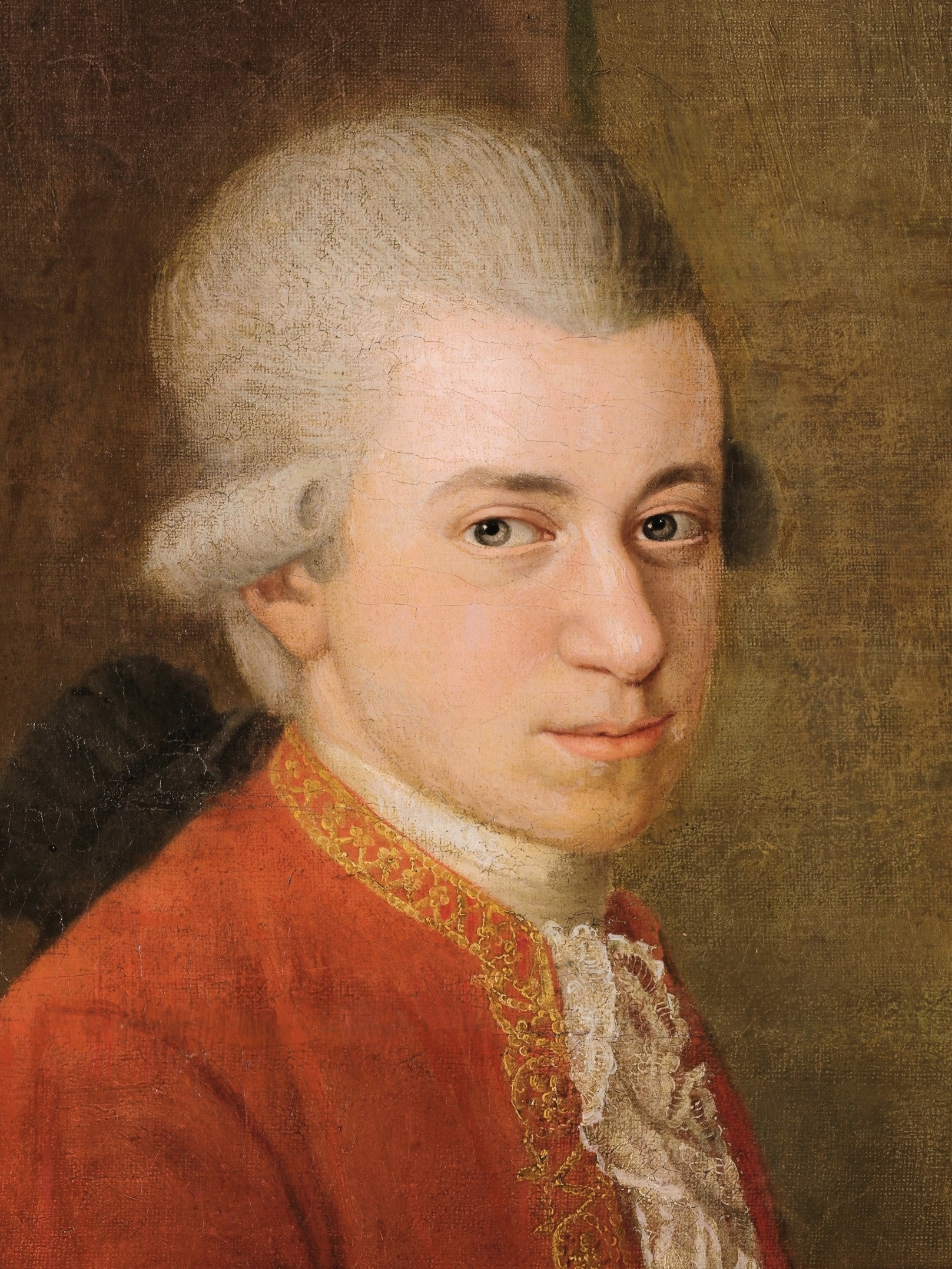
Mozart and his wife Constanze stopped in Linz on their way home to Vienna after a trip to Salzburg. The symphony was later performed in Vienna on 1 April 1784.
The score calls for 2 oboes, 2 bassoons, 2 horns, 2 trumpets, timpani and strings. It has four movements, or separate sections. Every movement except the minuet follows sonata form, in which musical themes are introduced, developed and brought back. The first movement briefly quotes the Hallelujah Chorus from Handel’s Messiah in the section introducing the main musical ideas.
Mozart’s original handwritten score was not preserved, but sections he sold to the Fürstenberg court at Donaueschingen in 1786 survive.