
The Toll of the Sea brought Technicolor to screens without special projectors
The Toll of the Sea premiered at the Rialto Theatre in New York City on November 26, 1922, the first Technicolor color feature that cinemas could screen without a special projector. The silent drama featured Anna May Wong in her first leading role. It became the first film using two-tone Technicolor to receive a general release, on January 22, 1923.
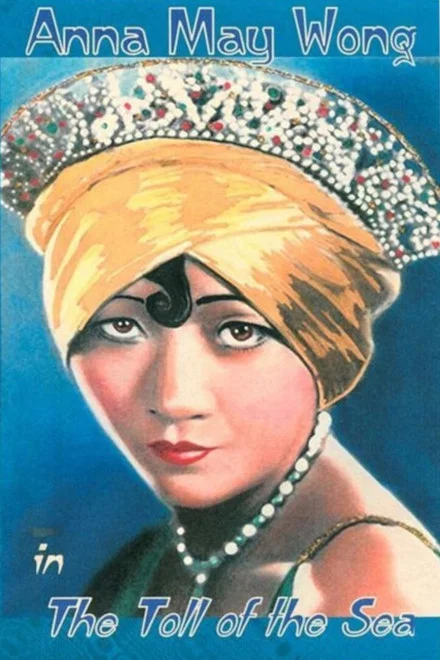
The Gulf Between had used Technicolor in 1917 but was not widely distributed. The Toll of the Sea was the second feature made with the process. Produced by the Technicolor Motion Picture Corporation and released by Metro Pictures, it starred Wong and Kenneth Harlan. Frances Marion wrote the film, and Chester M. Franklin directed it.
The color process needed much more light than ordinary filming. The camera split the image coming through its lens into two beams, exposing two film frames at once through color filters. It also ran at twice the normal number of frames per second. Every scene was filmed outdoors in natural light. The one scene presented as an interior was shot in sunlight beneath a muslin sheet.
Reviewers praised Wong. Variety admired her acting, while The New York Times said she succeeded in a difficult role and should appear on screen again. Critics in England credited her with carrying much of the film and praised her restraint and subtlety.
Once believed lost, the film was restored in 1985 by the UCLA Film and Television Archive from the original 35mm nitrate camera negative, under the supervision of Robert Gitt and Peter Comandini. The final two reels were missing. To approximate the closing image, they filmed a sunset on a California beach with an original two-color Technicolor camera. The restored version is included in the 4-DVD collection Treasures from American Film Archives, 50 Preserved Films.