
Banff began as a reserve around hot springs in 1885
Banff Hot Springs Reserve was established on 25 November 1885 around Cave and Basin in Alberta's Rocky Mountains. The 26 square kilometres set aside as a public park became Canada's first national park. Railway workers had encountered the springs during construction in 1883, leading to government interest and conflicting claims over the site.
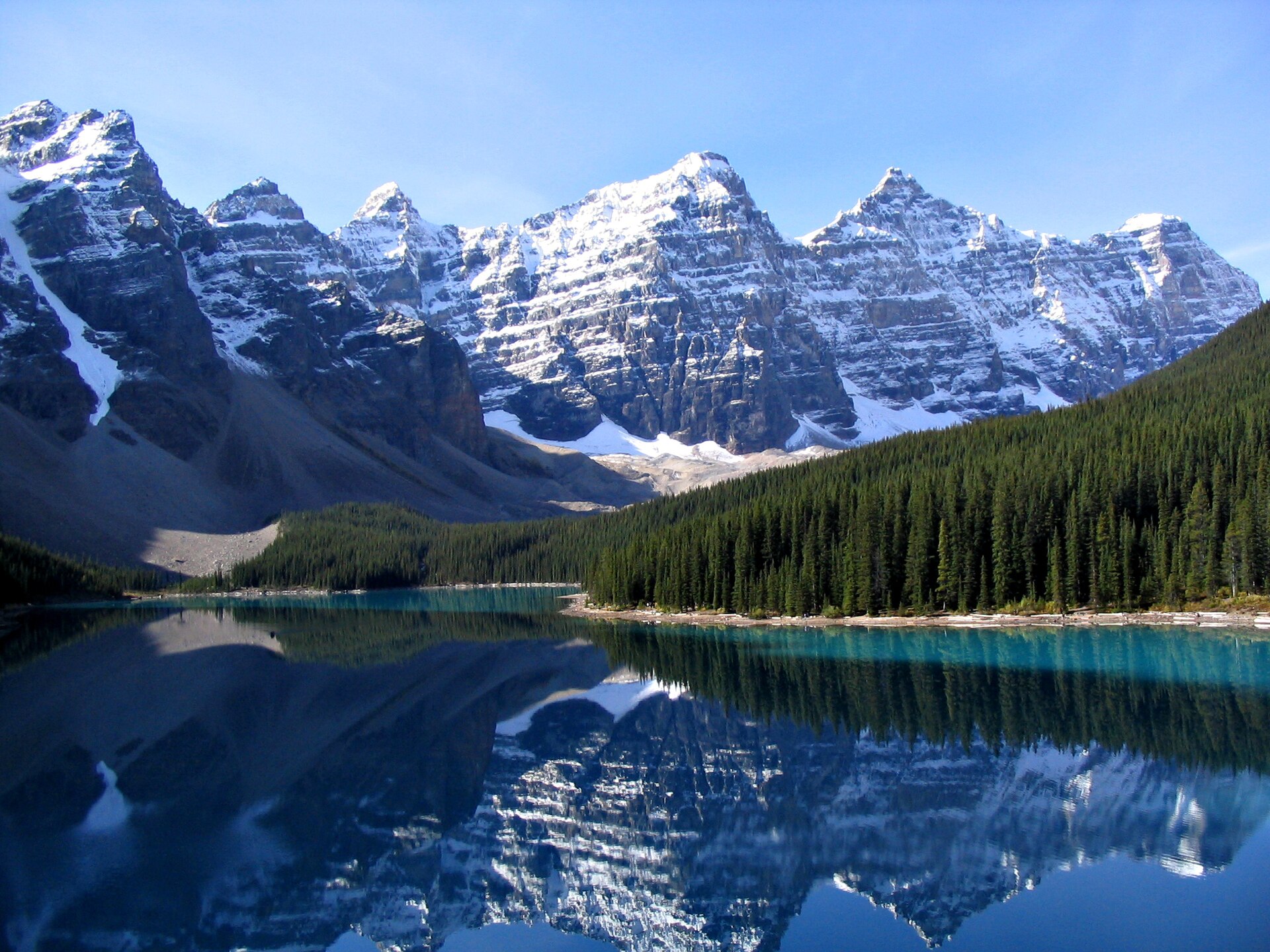
The hot springs already held spiritual and cultural importance for the Nakoda people, who moved seasonally through the Bow Valley to hunt and sustain themselves. Archaeological evidence at Vermilion Lakes indicates human activity as early as 10,300 BP, meaning years before the present. Indigenous Peoples used the region for fishing, trade, travel and cultural practices long before the reserve existed.
Under the Rocky Mountains Park Act, enacted on June 23, 1887, the park was expanded to 674 km2 and named Rocky Mountains Park. It was the third national park established in North America, after Yellowstone and Mackinac National Parks. The Canadian Pacific Railway built the Banff Springs Hotel and Lake Louise Chalet to attract tourists and increase rail passengers.
Between 1890 and 1920, the Stoney Nakoda First Nation were removed from the park. The exclusionary policy served sports hunting, tourism and game conservation, as well as attempts to "civilize" the First Nations of the area. Early visitors included wealthy European and American tourists. Some hired local guides for mountaineering trips. From 1906, the Alpine Club of Canada organized climbs, hikes and camps.
The National Parks Act renamed it Banff National Park in 1930. Its mountainous landscape includes glaciers and dense coniferous forest, with habitat for grizzly bears, elk and hundreds of bird species.