
Charles Darwin's On the Origin of Species sold out on publication day
Charles Darwin's On the Origin of Species sold out its initial print run when it was first published on 24 November 1859. The British naturalist presented his theory of evolution with evidence gathered through years of investigation, explaining how species change over generations and descend from common ancestors.
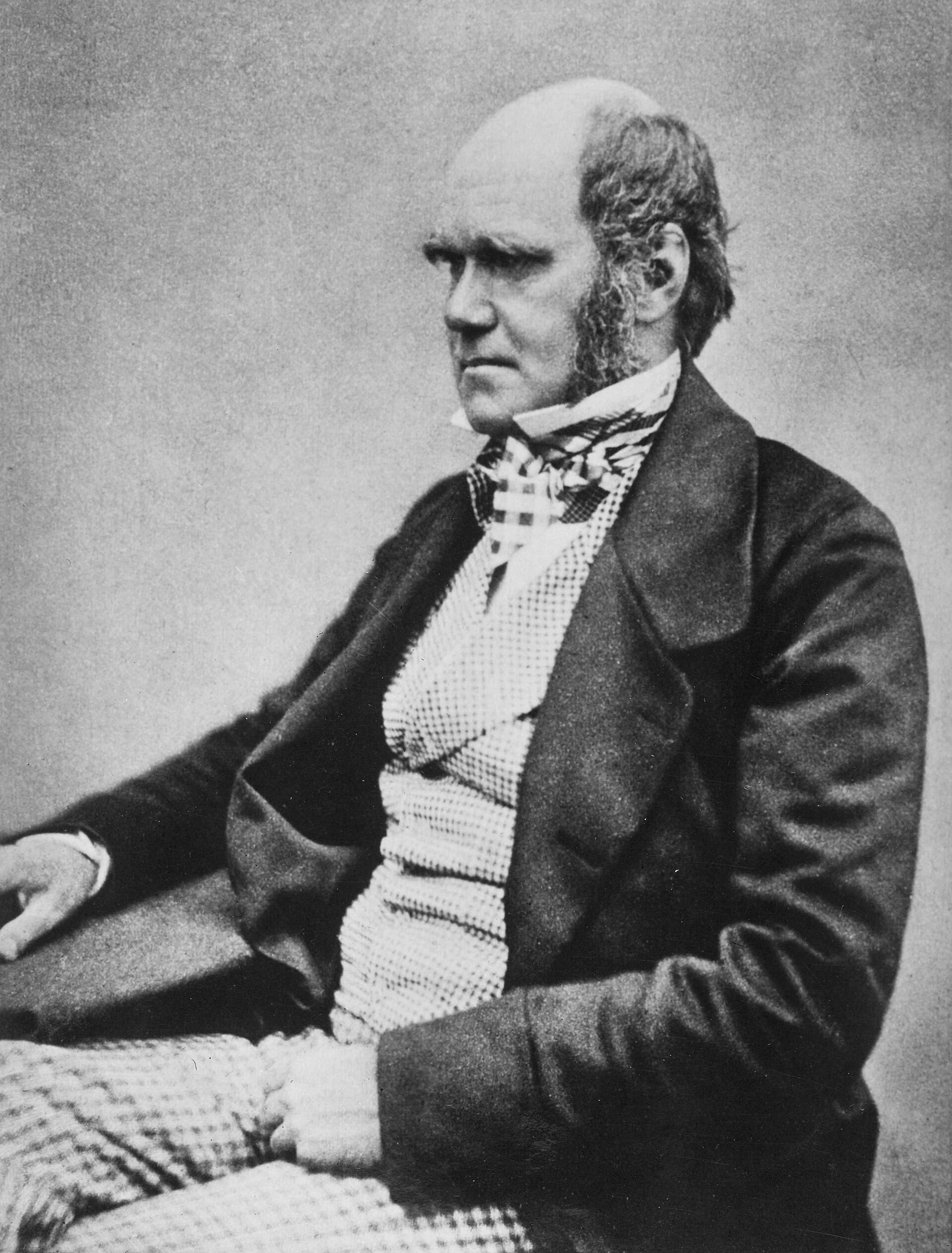
Darwin's five-year voyage on HMS Beagle, from 1831 to 1836, established his reputation as a geologist. Puzzled by the geographical distribution of wildlife and the fossils he collected, he began detailed investigations after returning. His travel journal, The Voyage of the Beagle (1839), also made him a popular author.
In 1838, Darwin devised his theory of natural selection. He proposed that the struggle for existence shaped species over generations, drawing a comparison with the way selective breeding changes plants and animals. He discussed his ideas with several naturalists, but extensive research took time, and his geological work had priority.
Darwin was writing up his theory in 1858 when Alfred Russel Wallace sent him an essay outlining the same idea. That prompted a joint submission to the Linnean Society of London before Darwin's book appeared the following year.
By the 1870s, the scientific community and a majority of the educated public had accepted evolution as a fact. Many, however, favoured competing explanations that gave natural selection only a minor role. A broad scientific consensus recognising natural selection as evolution's basic mechanism developed with the modern evolutionary synthesis from the 1930s to the 1950s.