
John Milton publishes Areopagitica against censorship
John Milton published Areopagitica on 23 November 1644, condemning censorship before publication: controls on what could appear in print. The English poet’s pamphlet became one of history’s most influential defences of freedom of speech and freedom of the press.
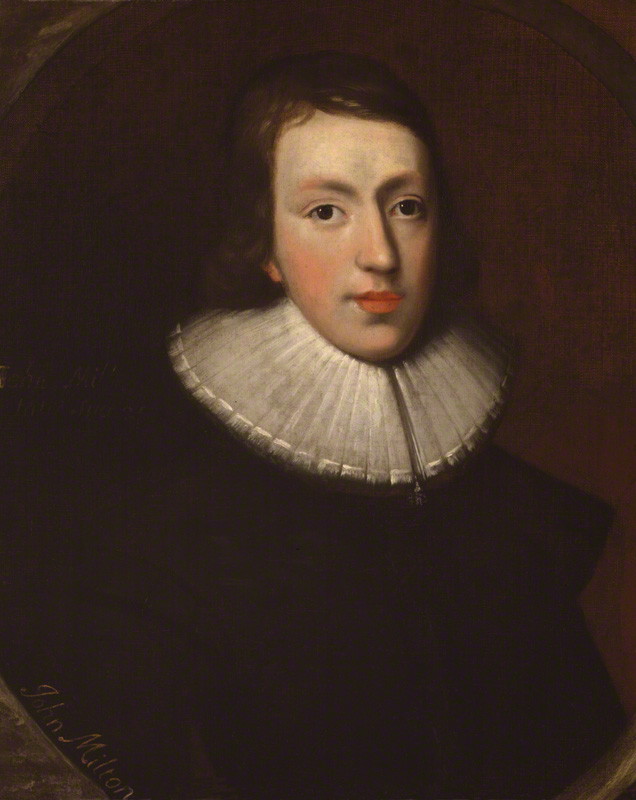
Milton developed his views through extensive reading, travel and experience, beginning with his student years and continuing through the English Civil War, which started in 1642 and continued until 1651. He began his career as a pamphleteer under Charles I’s increasingly autocratic rule, as Britain moved towards civil war.
At St Paul's School in London, Milton studied Latin and Greek, languages that shaped his English poetry and prose. He also wrote in Latin and Italian. His younger brother Christopher recalled: "When he was young, he studied very hard and sat up very late, commonly till twelve or one o'clock at night". John Aubrey recorded the recollection in Brief Lives, an uneven compilation that includes first-hand reports.
Milton entered Christ's College at the University of Cambridge in 1625. He graduated with a BA in 1629, ranking fourth of 24 honours graduates, and received his MA on 3 July 1632. He then undertook six years of private study, reading ancient and modern works in preparation for a career as a poet.
His 1667 epic poem Paradise Lost elevated his reputation as one of history’s greatest poets. His writing also introduced English words coined from Latin and Ancient Greek, and he was the first modern writer to use unrhymed verse outside theatre or translations.