
New Jersey became first U.S. state to ratify the Bill of Rights
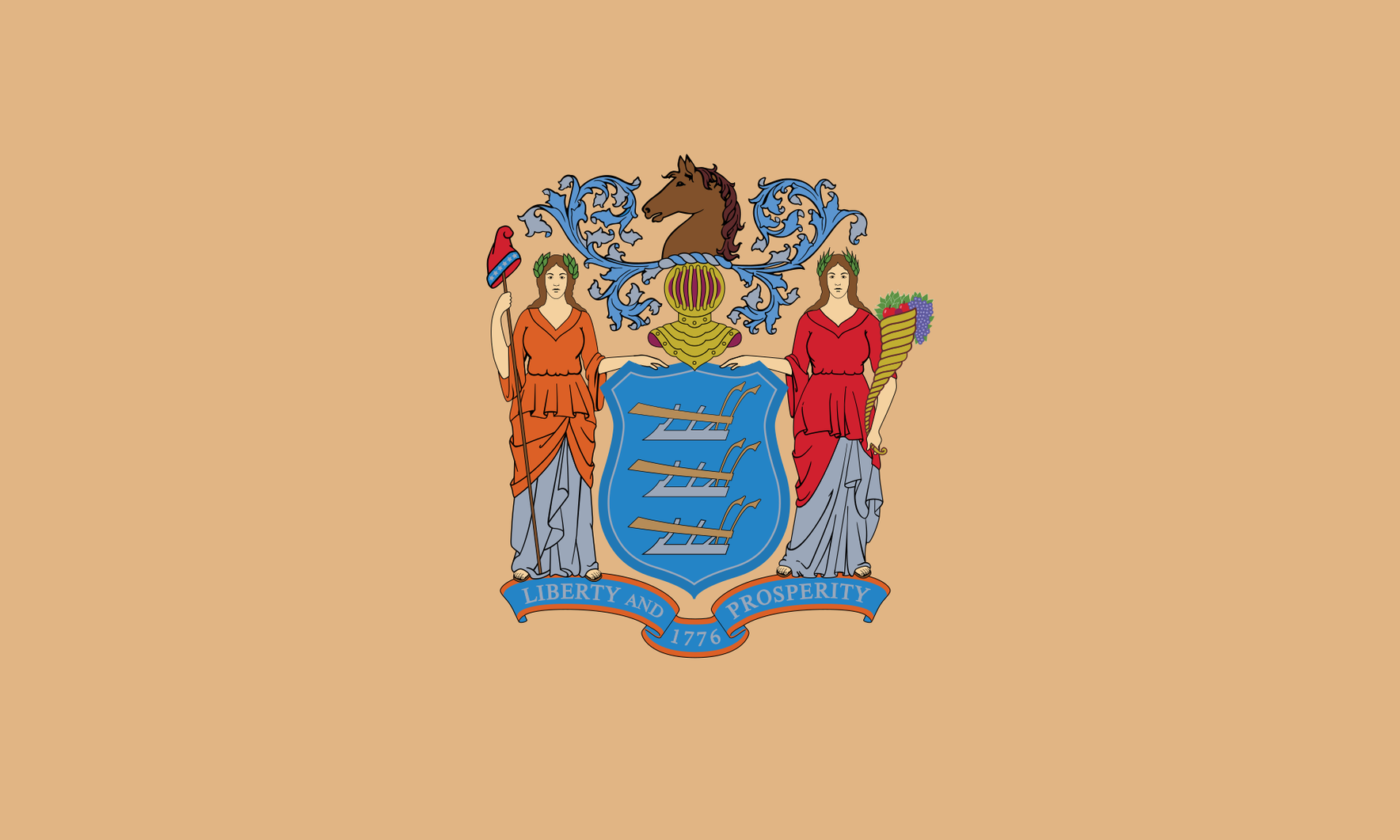
On 20 November 1789, New Jersey became the first U.S. state to ratify the Bill of Rights. Congress had submitted twelve proposed constitutional amendments to the states on September 25, 1789. Ten became the Constitution's first ten amendments, guaranteeing personal freedoms and limiting federal power.
The proposals followed bitter debate over ratifying the Constitution. Opponents known as Anti-Federalists objected that it contained no bill of rights and feared a strong national government would threaten individual rights.
At the Philadelphia Convention, George Mason suggested adding a bill of rights on September 12, and Elbridge Gerry made a formal motion. Every state delegation voted against it. James Madison, then an opponent, later described state bills of rights as "parchment barriers" that offered only an illusion of protection against tyranny.
Madison later agreed to support a bill of rights to help secure ratification of the Constitution. He studied the Anti-Federalists' objections and drafted proposals to address them. One concern was that listing rights would imply that rights left out did not exist. The 9th Amendment addressed that concern by recognising rights beyond those expressly named.
The ten amendments became part of the Constitution on December 15, 1791. They applied only to the federal government, although Madison had proposed extending some protections to the states. Ratification of the Fourteenth Amendment in the 1860s opened the way for that extension. Since the early 20th century, courts have used it to apply portions of the Bill of Rights to state and local governments, a process known as incorporation.