
Frederick Banting and the work that brought insulin to patients
Frederick Banting and Charles Best isolated insulin at the University of Toronto in John Macleod's laboratory. On January 11, 1922, the first insulin injection was given to 14-year-old Canadian Leonard Thompson at Toronto General Hospital. Banting and Macleod received the 1923 Nobel Prize in Physiology or Medicine for insulin's co-discovery and its potential as a treatment.
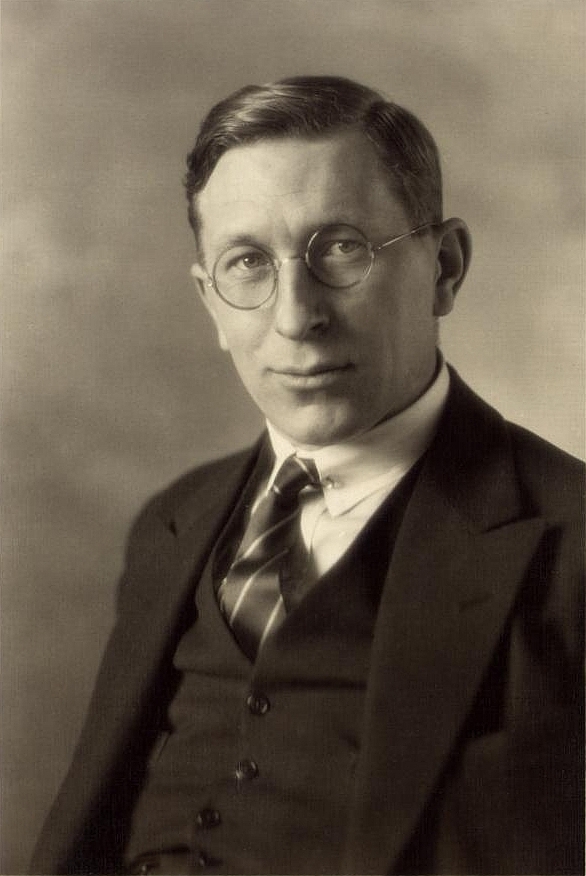
Born on November 14, 1891, near Alliston, Ontario, Banting was the youngest of five children in a financially stable farming family. He struggled with spelling and was frequently bullied at school. After one incident, he wanted to abandon his education, but his father persuaded him to continue.
He passed his examinations in July 1910 and entered the General Arts course at Victoria College at the University of Toronto. He failed his first year, returned to repeat it and applied for medicine in February 1912. Accepted, he began medical school in September. Without the language courses that had troubled him, his marks improved. His roommate, Sam Graham, remembered him studying late into the night.
Banting specialised in surgery and trained under Clarence L. Starr, chief surgeon at the Hospital for Sick Children. During World War I, he assisted Starr at the Granville Canadian Special Hospital in Ramsgate, Kent, refusing fees for extra services. He later treated wounded soldiers on the front lines in France. A shrapnel wound ended his frontline duty, and he received the Military Cross for bravery while attending the wounded under fire.
Reading about the pancreas drew Banting to diabetes. Researchers believed the disease resulted from a shortage of insulin, a hormone thought to control how the body used sugar. Earlier extraction attempts had failed, likely because a pancreatic enzyme that breaks down proteins destroyed the insulin.
Moses Barron's 1920 article described tying off the pancreatic duct. Banting reasoned that this would destroy cells producing trypsin, the enzyme that broke down insulin, while leaving intact the islets of Langerhans, which produced insulin. It could then be extracted. Macleod supplied laboratory facilities and Best's assistance; biochemist James Collip also helped produce insulin.
As experiments continued, surgery on living dogs could no longer supply enough insulin. In November 1921, Banting obtained extracts from fetal calves' pancreases that were as potent as those from dogs. By December 1921, he had also extracted insulin from the adult pancreas. Pork and beef remained the main commercial sources until genetically engineered bacteria replaced them in the late 20th century.