
Carnival season opens on 11 November in Germany and the Netherlands
Carnival season opens on 11 November in Germany, the Netherlands and other countries. In German-speaking Europe and the Netherlands the season traditionally opens on 11/11, often at 11:11 in the morning. The custom dates back to celebrations held before the Advent season, or to the harvest festivities of St. Martin's Day. The main festivities come at the close of the Christian pre-Lenten period, on Shrove Sunday, Shrove Monday and Shrove Tuesday, also called Mardi Gras.
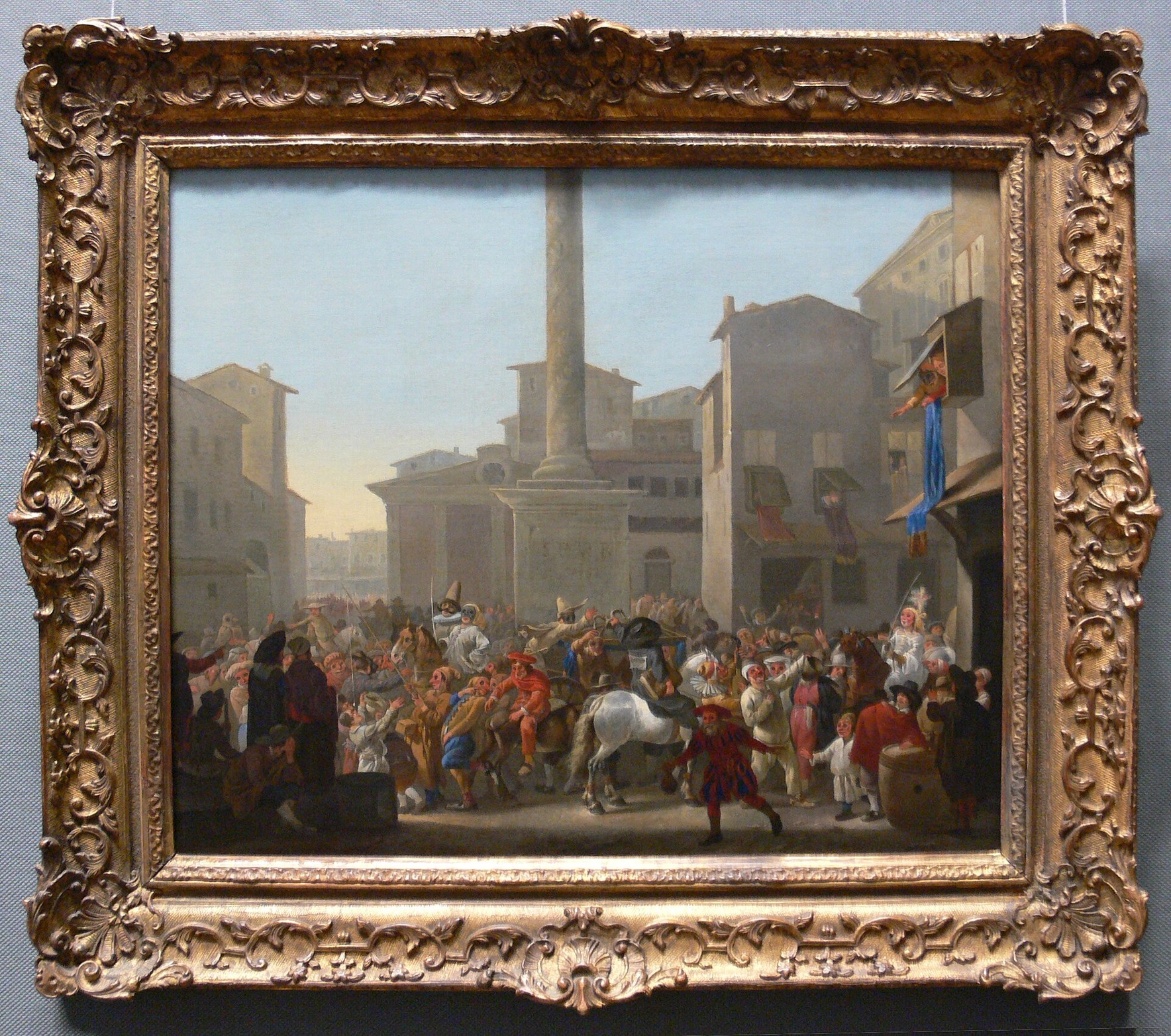
Carnival usually means parades and public street parties, along with entertainments that borrow elements of the circus. Elaborate costumes and masks let people set aside their everyday individuality and feel a heightened sense of social unity. There was a practical side too. Traditionally, stocks of butter, milk and other animal products were used up during Shrovetide to reduce waste. Pancakes, donuts and other desserts are made and eaten for a final time before Lent. During Lent, individuals make a Lenten sacrifice, giving up something they desire, such as sweets, and the money that would have bought it is donated at church as alms for the poor.
The word itself points to the fast. It is said to come from the Late Latin carne levare, meaning "remove meat", while a folk etymology derives it from carne vale, "farewell to meat". Other scholars link it to the Navigium Isidis, or "ship of Isis", a festival in which a parade of masks followed an adorned wooden boat called the carrus navalis. That boat is possibly the source of both the name and the parade floats.
Carnival's characteristics are traced to ancient European festivals such as the Greek Anthesteria and the Roman Saturnalia, when people were temporarily released from social obligations and hierarchies. Anthropologists call carnival a reversal ritual, in which social roles are reversed and norms about desired behaviour are suspended. British historian John Bossy disputed the idea of ancient roots. He wrote that "These were, despite some appearances, Christian in character, and they were medieval in origin," adding that "there is in fact no evidence that they existed much before 1200."
The season goes by other names elsewhere. It is Fastelavn in historically Evangelical Lutheran countries and Shrovetide where Anglicans, Methodists and other Protestants are concentrated. In Slavic Eastern Orthodox nations, Maslenitsa is celebrated in the last week before Great Lent.